When arguing against giving public workers collective bargaining rights, some lawmakers warn such rights will cause budget shortfalls for local governments that drive up the cost of living.
State Del. Eric Philips (R-Axton) raised these specters yesterday in a floor speech: “The question is ultimately, who controls the budget and how much flexibility do local leaders retain, and the bigger question is, who pays to make up the difference when the budget falls short?”
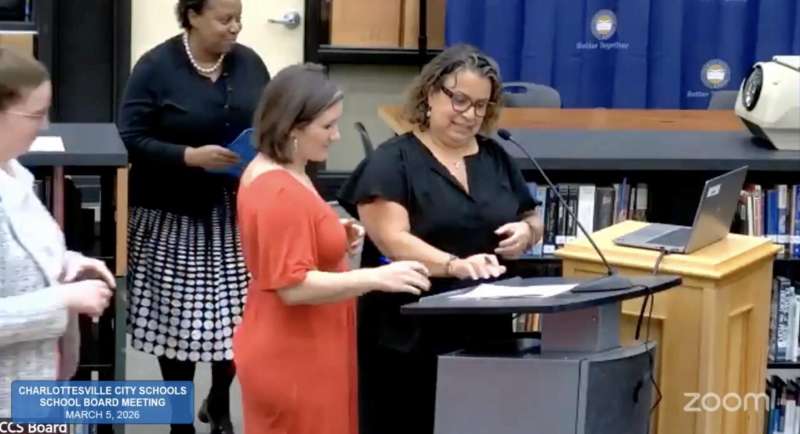
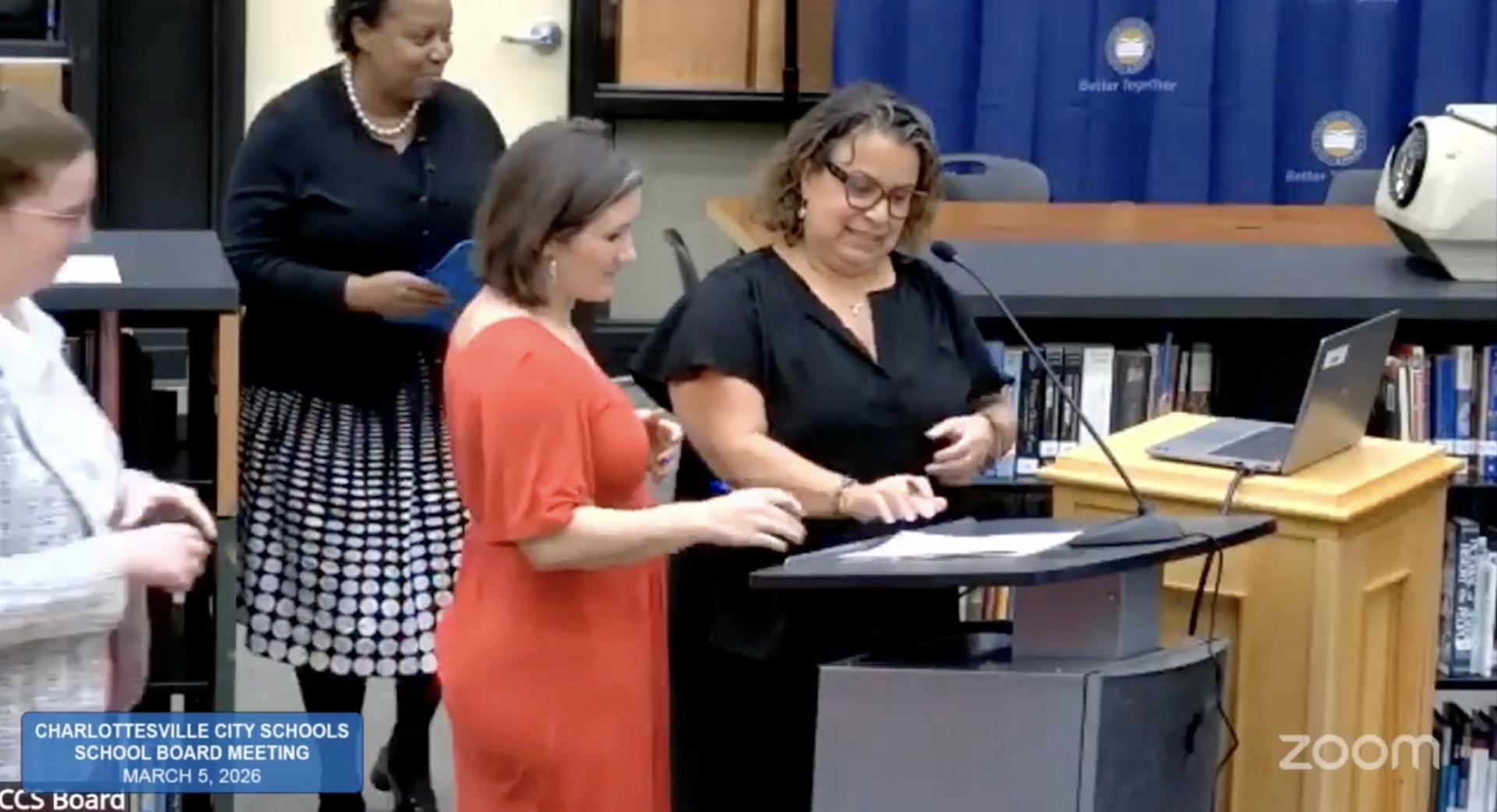
A new contract negotiation in Charlottesville gives us the answer—the city controls the budget and workers pay when a compromise needs to be made.
That’s because to get 10.5% annual raises for school support workers, negotiators had to reluctantly agree to reduce some workers’ paid working days and paid federal holidays. And it will ultimately be up to the city to decide if it wants to fund the agreement, which I’m told it is expected to do.
The biggest headache over the course of negotiations came after the school board sent out a message blaming the union for a breakdown in the contract talks. One school board member blamed the message on bad legal advice and regretted it went out the way it did.
So it’s important to remember that when people talk about collective bargaining not going smoothly, it’s good to ask why that is, and in the case of Charlottesville’s most recent union contract, much of the blame can be laid at the feet of the school division.
But more important is that both sides landed on an agreement and can use lessons learned for the next round of negotiations when the contract expires in 2029.