By now, I’m sure you’ve heard or seen warnings about the state of the economy. Well, this week, Virginians have some more reasons to be concerned.
That’s because figures released on Wednesday by the US Bureau of Labor Statistics (BLS) show that, compared with the previous month, fewer Virginians got hired and fewer quit their jobs. And that’s despite Virginia adding more job openings in June.
Levi Goren, the research director at The Commonwealth Institute for Fiscal Analysis, told me that it’s typical for businesses to slow their hiring in the early days of an economic downturn.
When they do, it makes it harder for the unemployed to find jobs, and a worsening labor market where fewer people are getting hired makes people stick around at jobs they would have otherwise left.
In other words, the data suggests both employers and workers think the economy is going to get worse.
The dominant narrative in Virginia, of course, is the ongoing impacts of the Trump administration’s cuts to jobs, spending at different agencies, and the cancellation of federal contracts.
Plenty of uncertainty remains about how these impacts will play out. One major question is how America’s brittle social safety net will be able to withstand a surge of demand for unemployment assistance in the event of a recession.
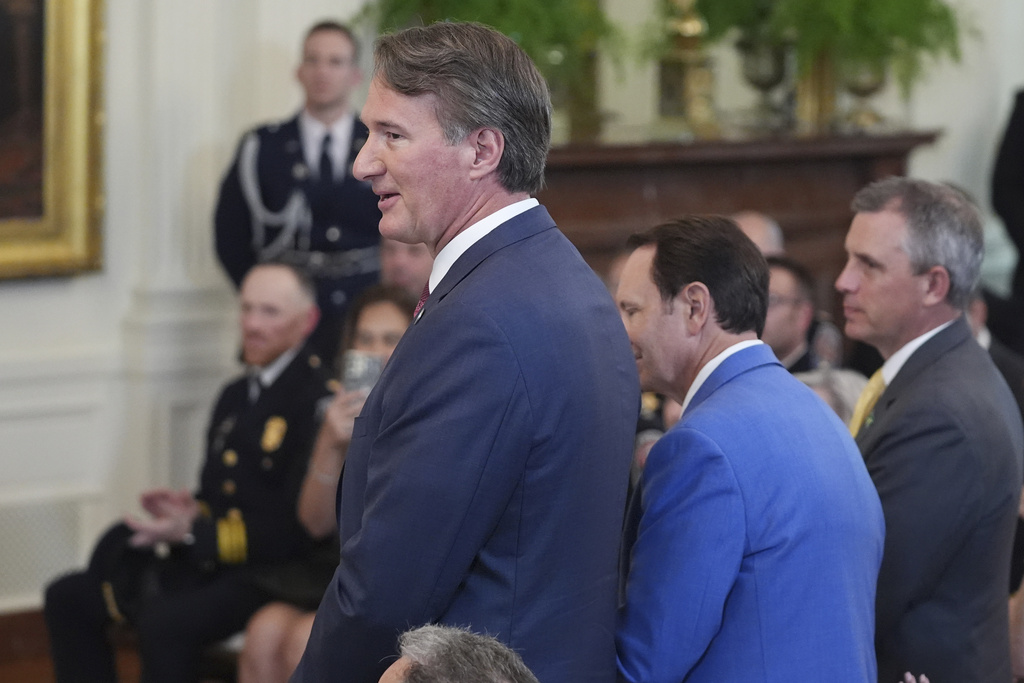
State Del. Candi Mundon King (D-Dumfries) commented on the state of our social safety net on Thursday in response to a presentation from the Youngkin administration that downplayed the impacts of Republican cuts to Medicaid.
Mundon King said she was raised with the help of public benefits and that it wasn’t easy to acquire assistance.
“You don’t just wake up one day and go fill out one piece of paper to get these requirements,” Mundon King said. “And when you add other things to that, it makes it even more difficult.”
Her point is that it’s already hard enough for people to get and stay on Medicaid as it is. New Republican work requirements will only make it harder and likely mean that otherwise eligible people could lose out on coverage for bureaucratic reasons.
There’s also growing concern about the impact of President Donald Trump’s tariff policies. It’s all but inevitable that tariffs will push up the cost of living for everyday Americans. Indeed, there are already signs that’s happening – toy and furniture prices rose in July – even as inflation overall remains steady.
Given all the uncertainty, a Virginia Tech professor compared America’s economic challenges to a forest fire that policy makers are trying to keep under control.