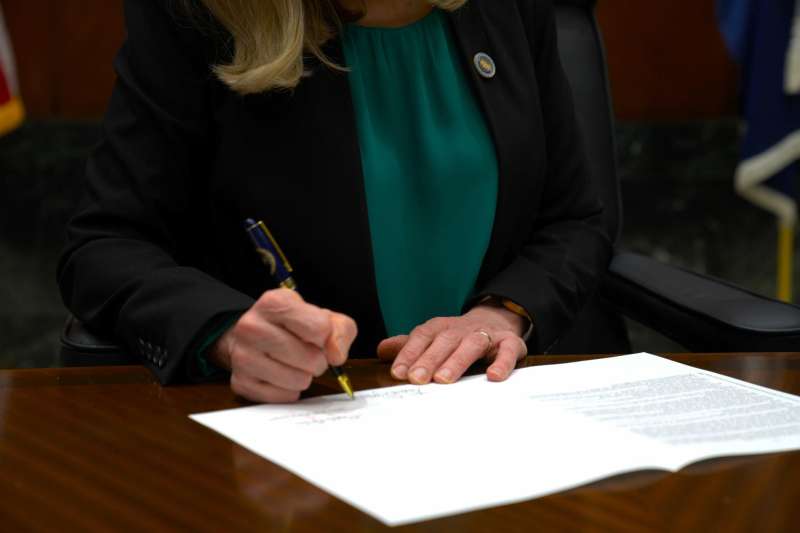
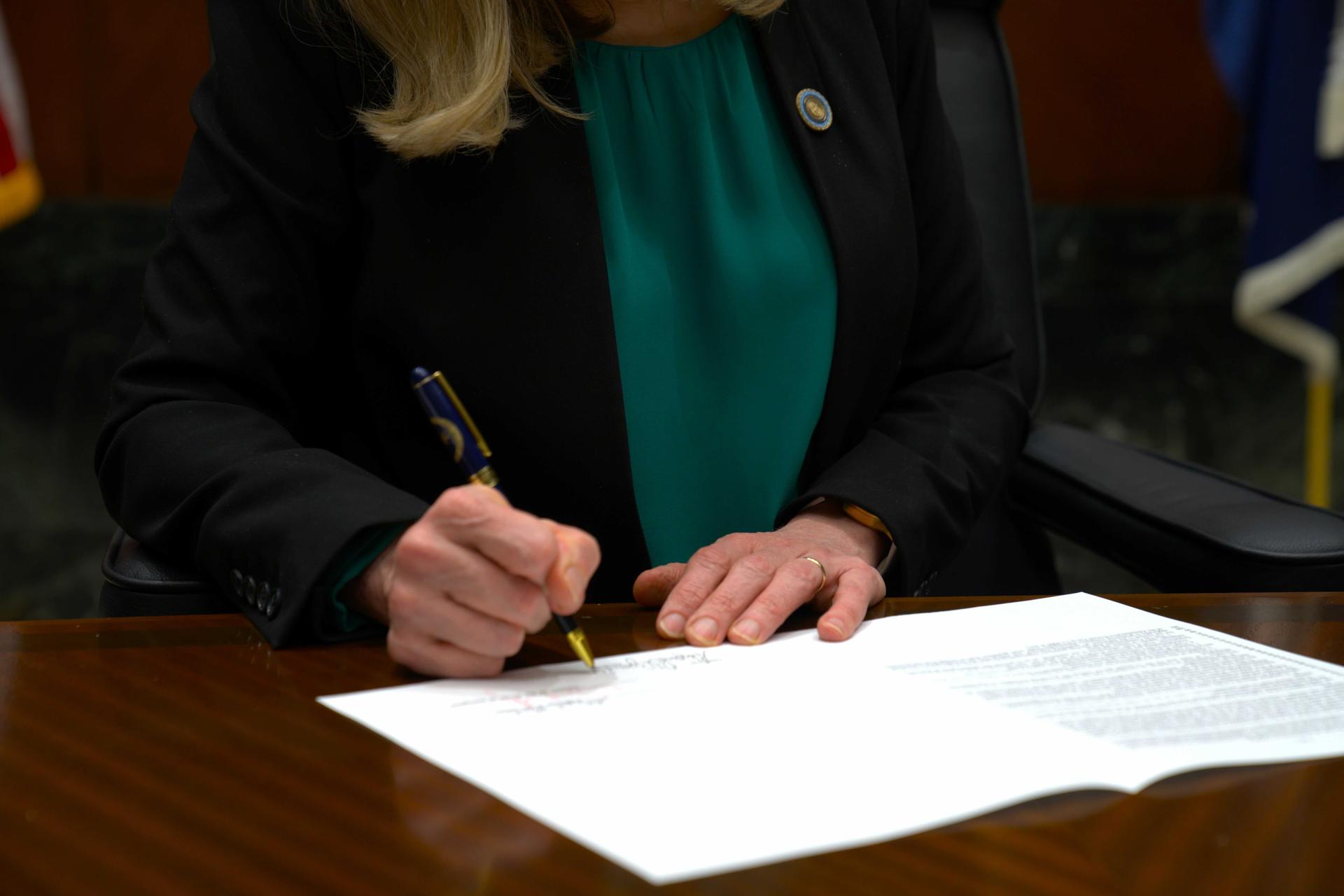
I stayed up until about 1 a.m. last night hoping to see what Spanberger actually wanted to change about the collective bargaining bill.
This morning, I joined in with others to dig into the lengthy changes she proposed and was lucky to catch Democratic Senate Majority Leader Surovell by phone.
“I’m very disappointed,” he told me about Spanberger’s changes.
The Virginia Education Association (VEA) put out a statement Tuesday calling on lawmakers to reject Spanberger’s substitute, saying the governor’s proposed changes undermine “both the spirit and the intent” of the legislation passed by the General Assembly.
So, what don’t they like about Spanberger’s proposed changes? Two key points came up in my conversation with Surovell and in the VEA’s statement.
Spanberger wants to delay when local governments and school boards have to comply with the law, pushing the proposed deadline from 2028 to 2030.
She also wants to give the governor’s office more leeway in determining how public employers comply with the law. That might be fine for workers under governors who support collective bargaining rights. But what happens if an anti-union governor comes to office?
“Her bill would give the Public Employee Relations Board, which is appointed by the governor, a lot more power to define bargaining units and all kinds of relationships between management and employees in ways that a future governor could use to make it very difficult to collectively bargain,” Surovell told me.
As for the campus workers who got excluded from the bill sent to Spanberger: she didn’t add them back in like they had hoped.
Instead, Spanberger wants to exclude more workers from the bill: her version of the bill would cut out Virginia Port Authority workers.