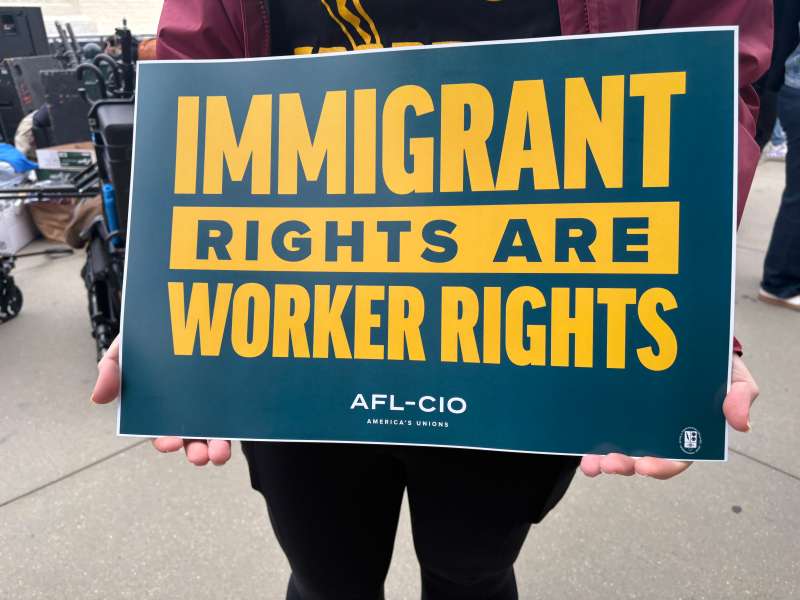
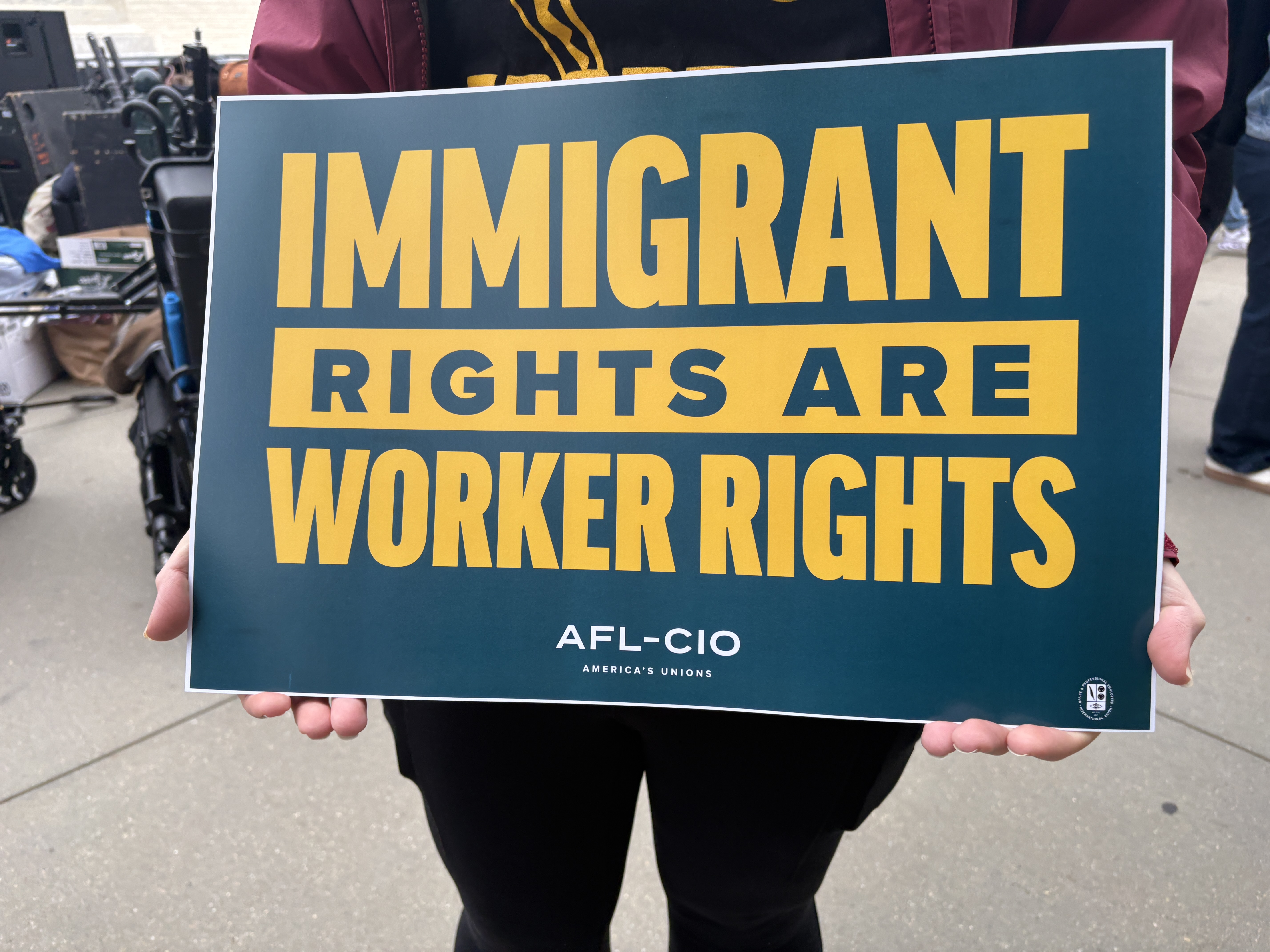
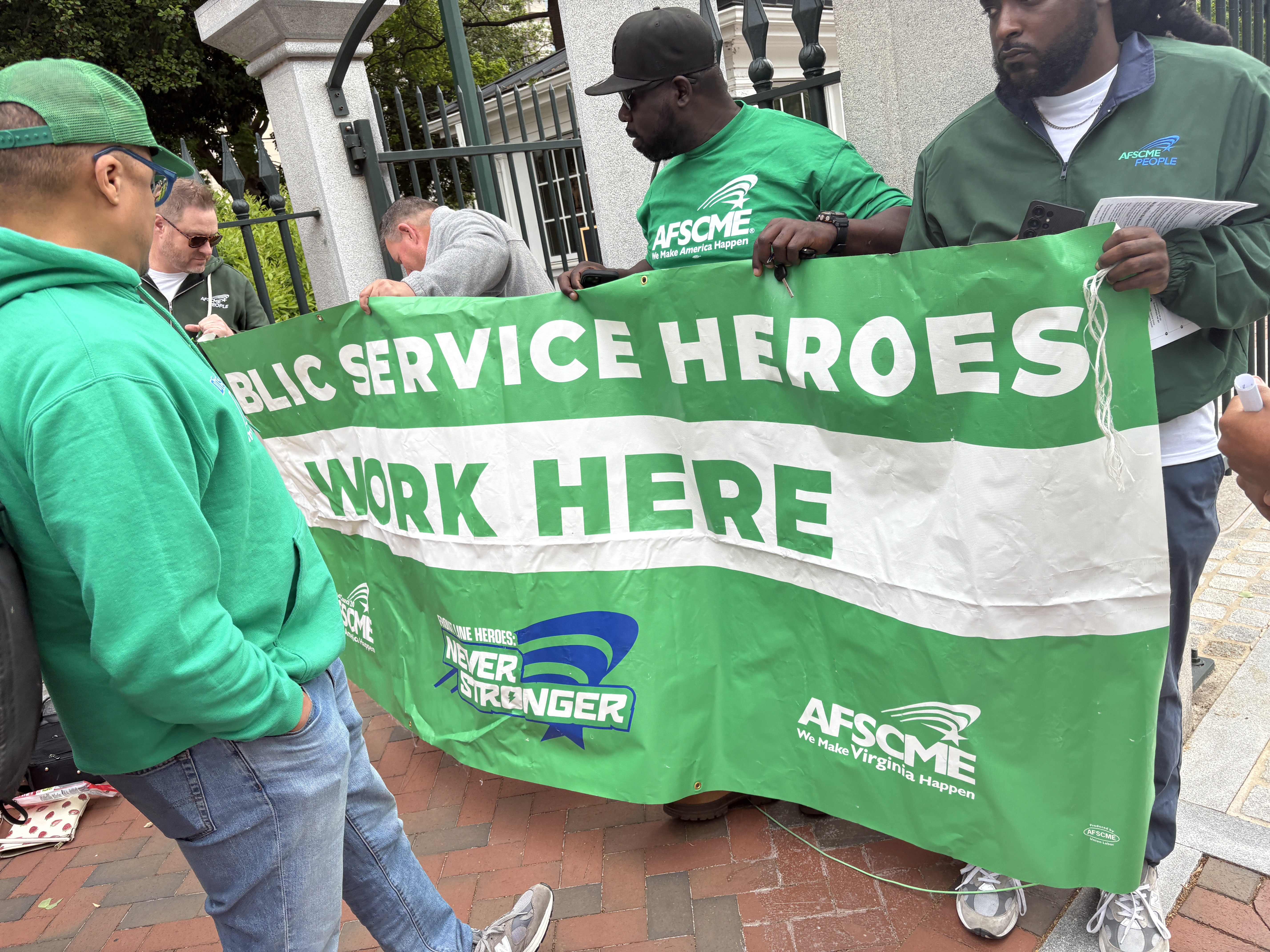
Opponents of collective bargaining like to argue that it will lead to massive local tax increases.
But this week, Scott McCaffrey at FFXnow reports that Fairfax County, which adopted collective bargaining in 2021, is likely not raising its real estate tax rate.
The county still expects tax bills for homeowners to rise on average and Fairfax has a new 4% tax on prepared foods that would help it slightly lower its real estate tax rate.
But to me, that doesn’t match up with Republican rhetoric about how bad collective bargaining would be for local budgets, which are complicated documents pressured by inflation and federal budget cuts.
I’d add that it’s not uncommon for a locality’s biggest expense to be personnel costs. Take Richmond, for example, which adopted collective bargaining in 2022.
Richmond reporter Graham Moomaw posted that, “Collective bargaining obligations are costing an additional $22 million in the pending budget, which takes up about half of the new tax revenue the city expects to collect in FY27.”
But it’s not surprising that one of a locality’s biggest expenses would be personnel costs. And Richmond historically has underpaid its workers, as noted in a 2022 report by The Commonwealth Institute for Fiscal Analysis.
“For the five years between fiscal years 2017 and 2021, (Richmond) city workers only received two cost of living adjustments, a 1% raise in 2019 and 3% the next year,” Karri Peifer at Axios Richmond reported in 2024.
But in the years since, city workers’ pay has improved as they’ve begun working under union contracts. And while those higher wages may look more expensive on paper, that doesn’t take into account the costs of high turnover rates and unfilled positions for local governments where workers earn less.
All of this is to say that I don’t think the impact of collective bargaining on local budgets is as straightforward as people would have you believe.