Things are not looking great for the immediate future of the collective bargaining rights legislation ahead of tomorrow’s veto session.
I learned yesterday that the Spanberger administration asked to meet with the labor unions critical of the governor’s proposed changes to the bill. I’m not exactly sure who was in the meeting, which took place on Monday, but I’m told members of Spanberger’s cabinet were there.
Regardless of what was said, it did not do anything to change the position of the coalition of unions at the meeting: they went in opposing Spanberger’s changes to the legislation and they came out of the meeting still urging state lawmakers to reject them.
It’s worth pausing here to consider how differently the two sides are talking about what Spanberger is proposing.
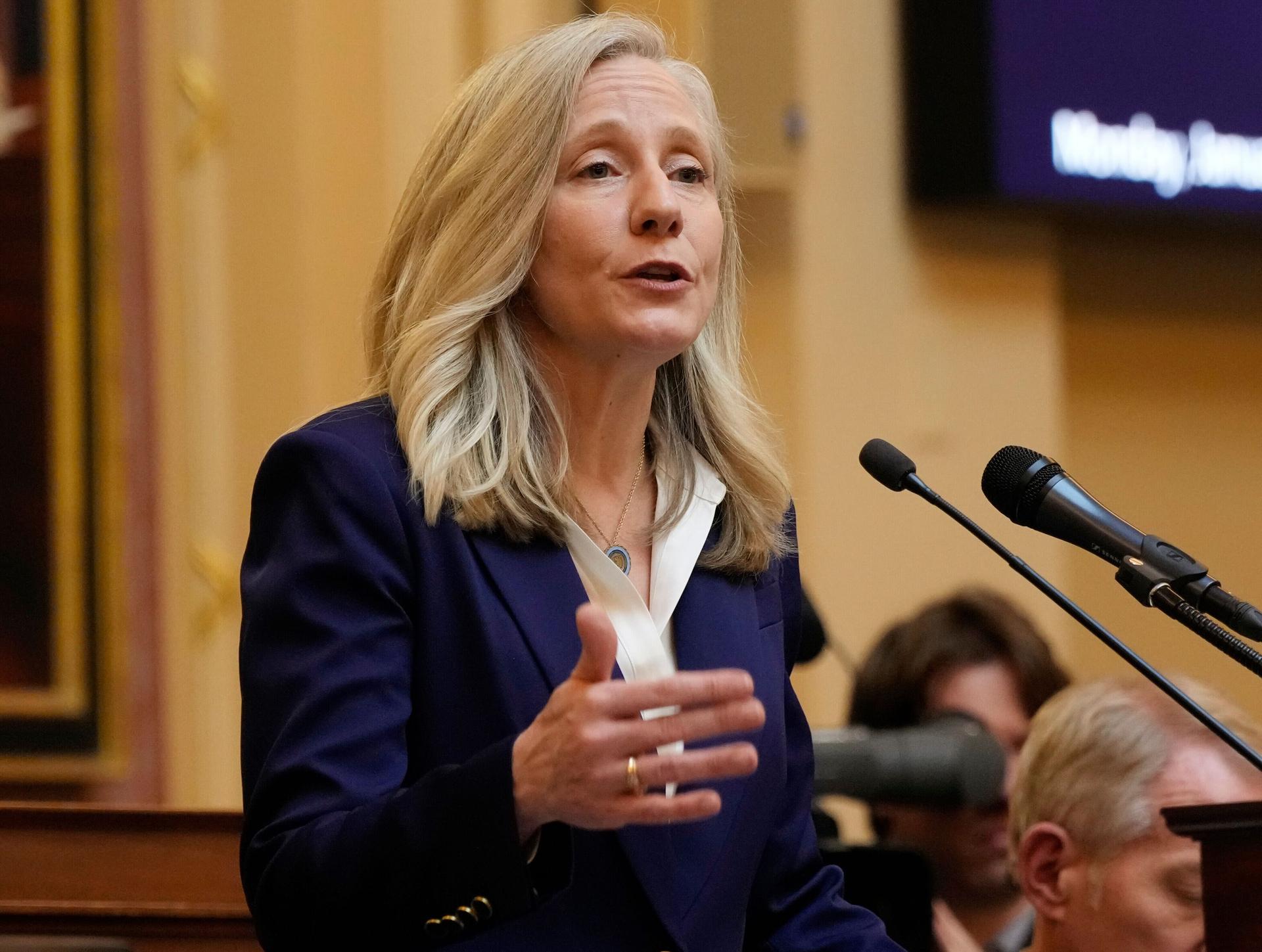
Spanberger told reporters last week that her changes are “vital” to an expansion of collective bargaining rights “that needs to be done methodically and purposefully.”
Compare that with the spokesperson for the Virginia Public Sector Labor Coalition, Katie Baker, saying Spanberger’s version of the bill would weaken the ability of workers to meaningfully negotiate their contracts.
“ I cannot overstate that the changes to this bill amount to a substantial rewrite,” Baker said during a virtual press conference on Friday.
The unions (with the exception of the Virginia AFL-CIO) backed Spanberger as a candidate and she’s been public about her general support for workers’ rights.
As a candidate, Spanberger shot a video released in October showing her spending time with SEIU Virginia 512 home care worker Elisha Woods and her client, Ethan. In the video, Woods asks Spanberger if she supports collective bargaining.
“The short answer is, ‘Yes,’” Spanberger replies.
It begs the question: how did the unions and Spanberger get so far apart on this issue? I don’t have the answer to that question—yet.
But I’ll be in Richmond tomorrow as lawmakers return to take up Spanberger’s legislative actions, and I’ll try to see what more I can learn.