Tonight’s the night.
President Donald Trump will deliver the first State of the Union address of his second term at a time when most Americans and Virginians think he’s doing a bad job.
Virginia Gov. Abigail Spanberger will deliver one of the Democratic Party’s official rebuttals from Colonial Williamsburg. Word is she’ll focus on affordability, Trump-fueled chaos, and spineless Republicans, but may respond directly to Trump’s remarks, as well.
I’ll be in Washington, DC, helping with coverage of some counterprograming called the State of the Swamp.
My editor tells me no one watches this stuff (and he’s probably right about that), but chances are higher for readers of Virginia Capital. Hit me up with your reactions to what transpires tonight.
Below, I have a look at the ongoing fight over whether home care workers will finally win the right to collective bargaining this legislative session.
And I consider the merits of state lawmakers giving themselves a raise.
|
|
|
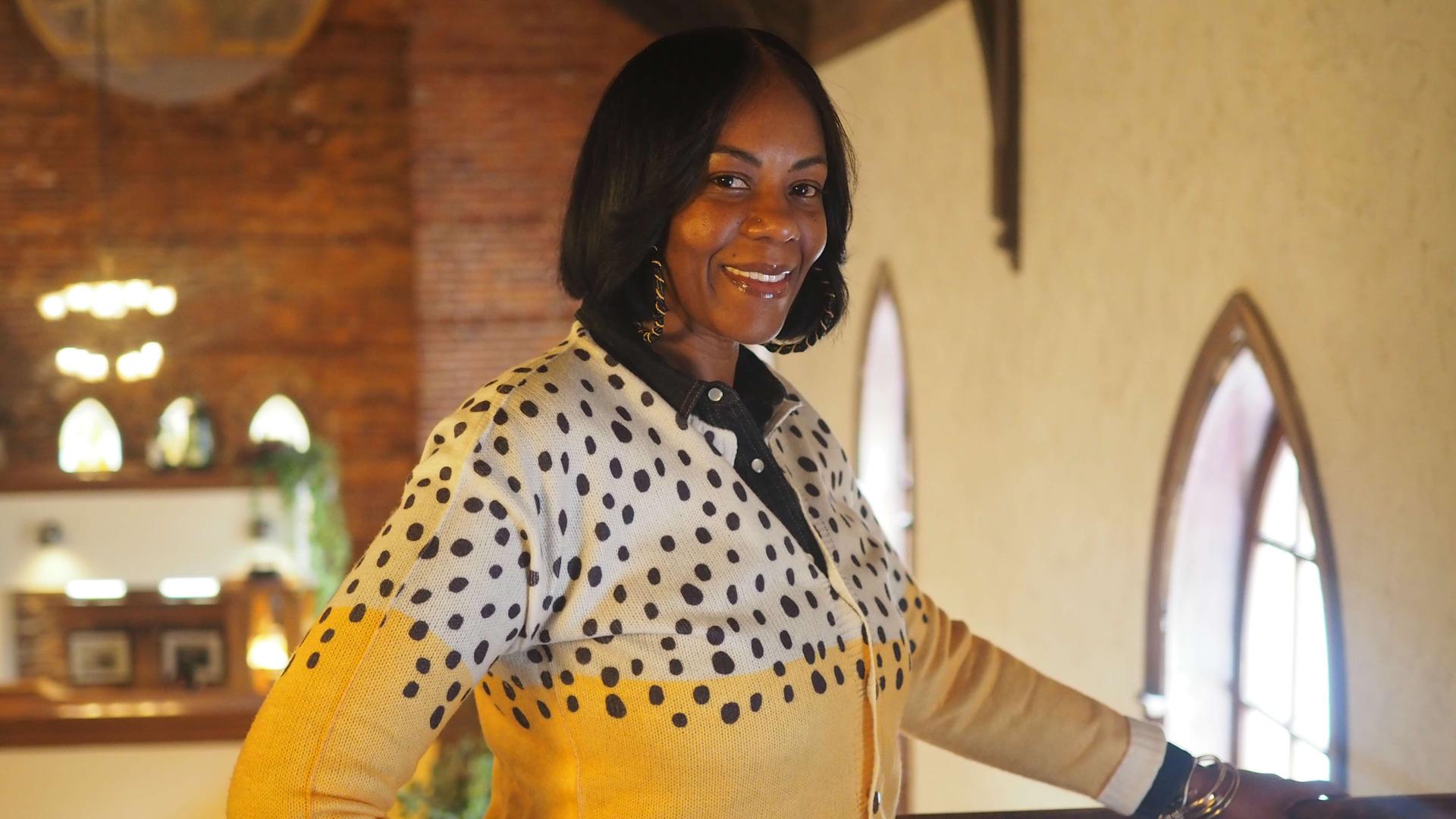
Samira Brooks, a home care provider, says collective bargaining would give workers like her a seat at the table. (Michael O’Connor/Dogwood)
|
We live in a society of exorbitant wealth.
So it always amazes me when I meet people like Samira Brooks, a home health care provider on the Eastern Shore, who makes just $18.50 an hour.
It’s hard to overstate the importance of Brooks’ work and the work of home health care providers in general.
These are the people who bathe our parents when they are too frail to take care of themselves. These are the people who help our adult children with disabilities enjoy dinner at a restaurant.
And, as Brooks told me, these are the people who check up on our family members who have no one else to rely on.
The work is all consuming. Offering companionship is another huge aspect of the job. And given how low the pay is, the field sees a lot of turnover and is in desperate need of more workers to meet demand for home health care providers.
Which is why home health care providers are fighting to be included in the final version of a bill that would give collective bargaining rights to thousands of public sector workers. They are still in the House version of the bill, but got taken out of the Senate version.
In learning more about the world of home health care, I wondered: why bother with work that is so hard and so undervalued for more than two decades as Brooks has?
“Caregiving doesn’t start or end with the clock,” Brooks said in an interview. “It doesn’t start or end with a paycheck. Caregiving is lifelong. It’s rooted in me.”
|
|
|
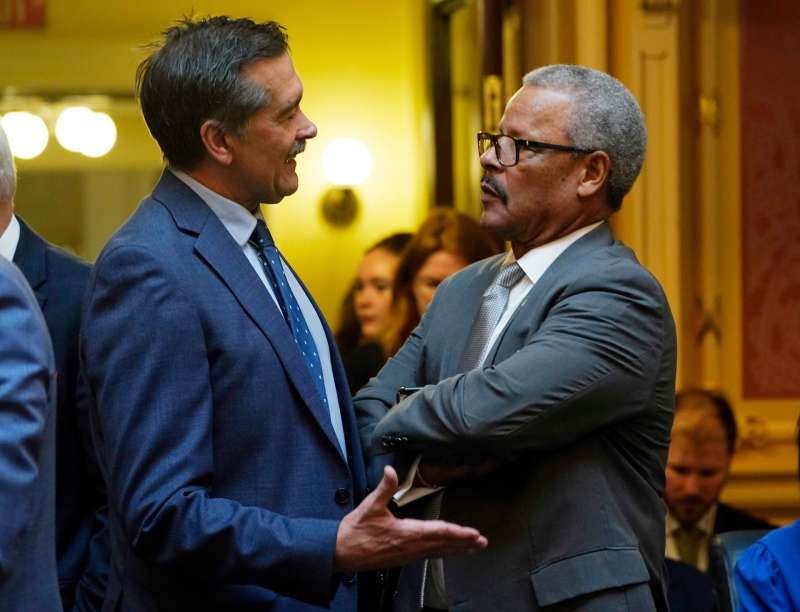
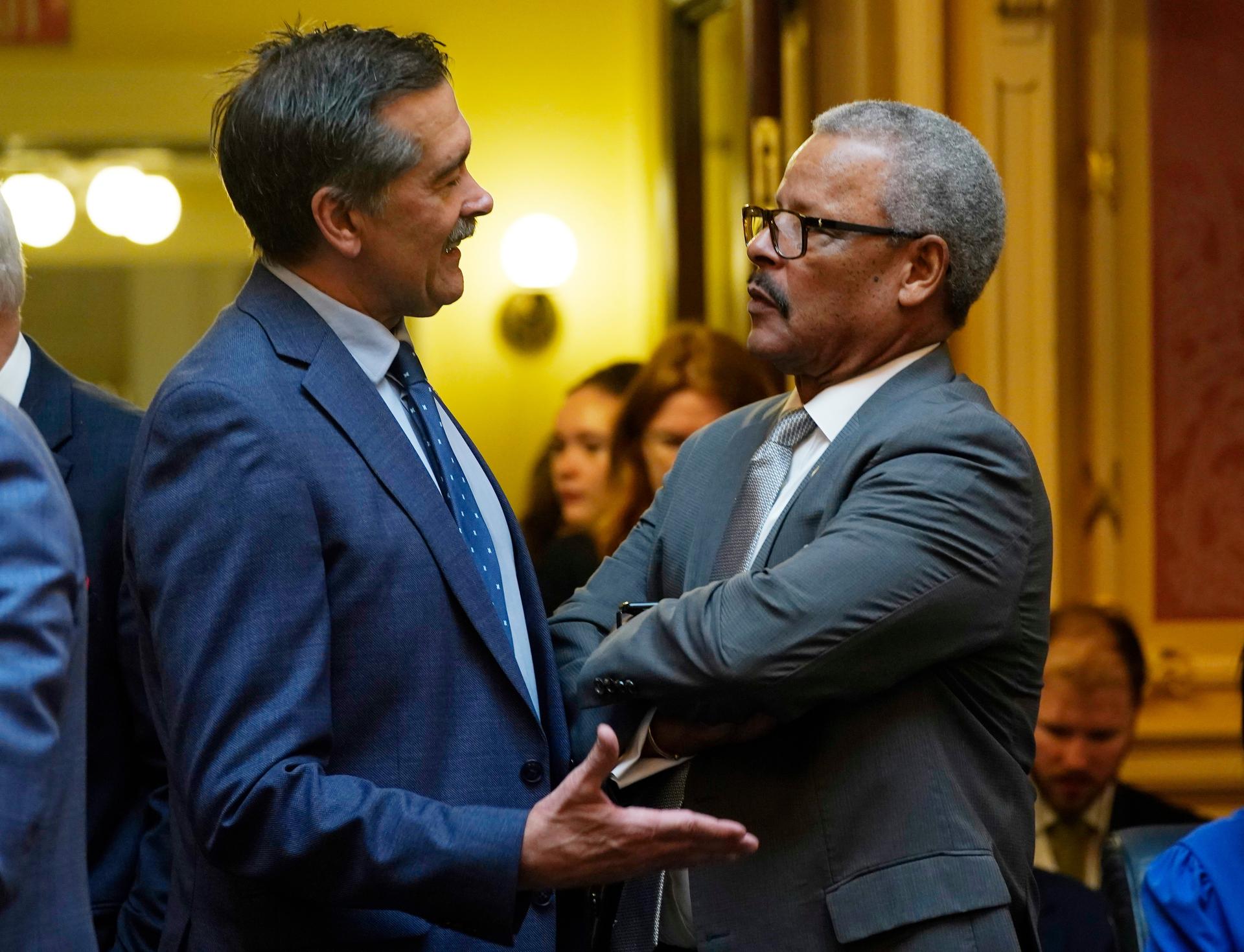
Virginia House of Delegates minority leader, Del. Terry Kilgore, R-Lee, left, speaks with Del. Luke Torian, D-Prince William, during the opening of the 2026 session of the Virginia General Assembly at the Capitol Wednesday Jan. 14, 2026, in Richmond, Va. (AP Photo/Steve Helber)
|
Should state lawmakers give themselves a raise?
Democrats are considering raising the salary for state lawmakers for the first time since 1988, Brad Kutner at Radio IQ reports. They want to raise salaries from $17,000 to $45,000 at a cost of $2 million a year.
This seems like a good thing: It’s well known that state lawmakers work many hours and do a lot even when the General Assembly is not in session, and a person’s wealth or income should not be a barrier to whether they can serve in elected office.
Right now, it is. Low salaries for state lawmakers, especially in states with part-time legislatures like Virginia’s, impact who’s able to run for office in the first place.
Too often, this means only the wealthy can run for office, while working-class Americans—whose jobs are less likely to give them the flexibility or the wages to work part-time as a Delegate or state Senator—are left out of the halls of power.
|
|
|
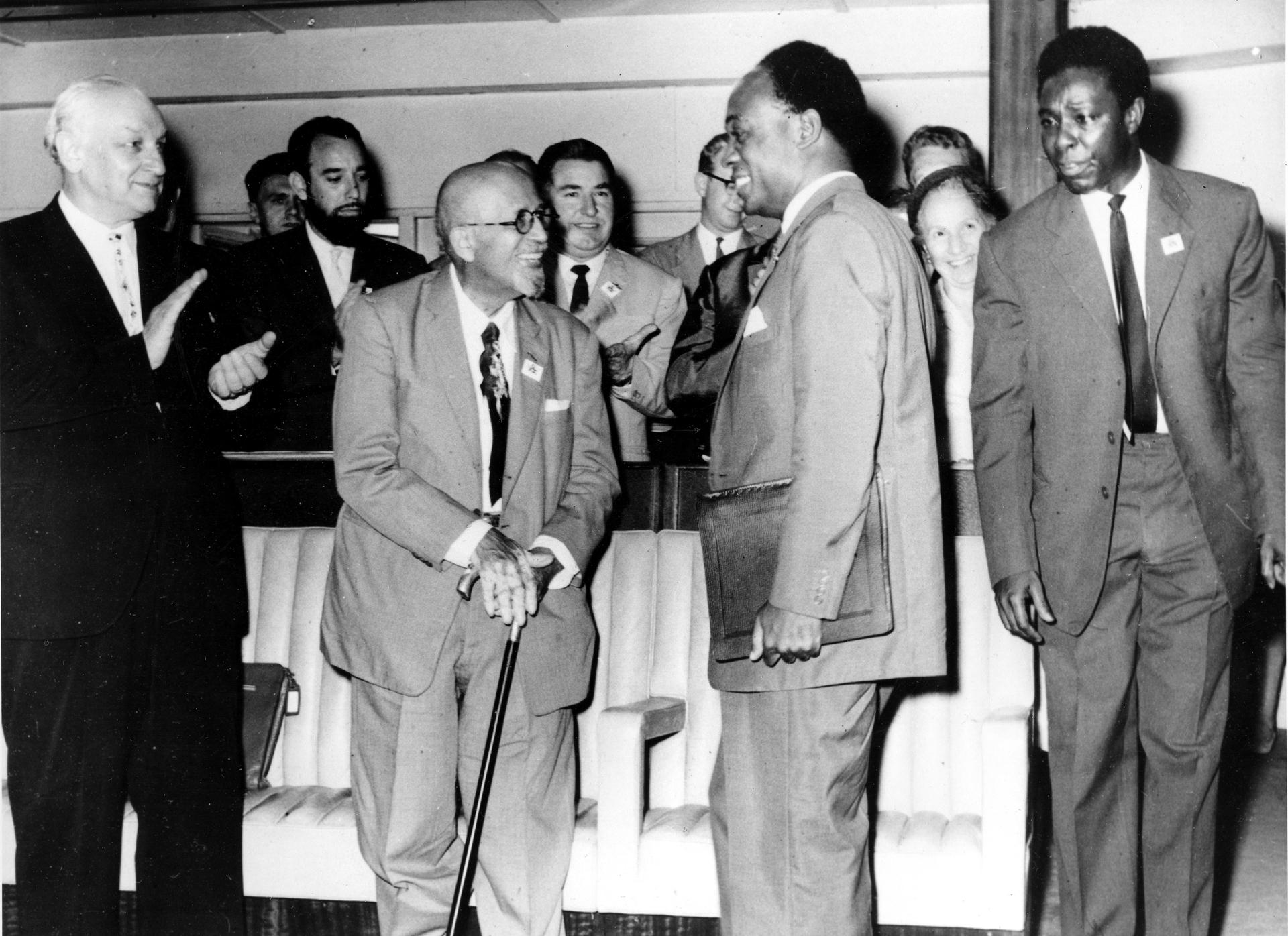
President of Ghana, Dr. Kwame Nkrumah, second from right, talks with 93-year-old American scholar Dr. W.E.B. Du Bois shortly before opening the World Peace Conference in Accra, Ghana, June 21, 1962. (AP Photo)
|
Yesterday was the birthday of W. E. B. Du Bois.
I read his seminal work, The Souls of Black Folk, in high school and it blew my mind. I’m due to re-read it.
Du Bois visited Farmville in 1897 when he was a young scholar doing pioneering research on African American communities across the South.
His study of Farmville became part of a series of reports later known as the Atlanta University Studies.
Here’s what Du Bois had to say about Farmville as he encountered it:
“It is thoroughly Virginian in character—easy-going, gossipy, and conservative, with respect for family traditions and landed property,” he wrote.
|
|
|
Would you recommend this newsletter to your friends and family?
|
|
|
Do you or your company want to support Dogwood’s mission and showcase your products or services to an engaged audience of more than 35,000 subscribers at the same time?
Contact advertise@couriernewsroom.com for more information.
|
|
|
This email is written by Michael O’Connor, a reporter at Dogwood.
Have a question or comment? Reply back to this email!
|
|
|
You are receiving this email because you opted in via our website.
Our mailing address is:
Courier Newsroom
611 Pennsylvania Ave SE
Washington, DC 20003-4303
|
|
|
|