The cost of healthcare in the US is already too high. But there is a policy decision before our leaders that can keep the costs slightly under control.
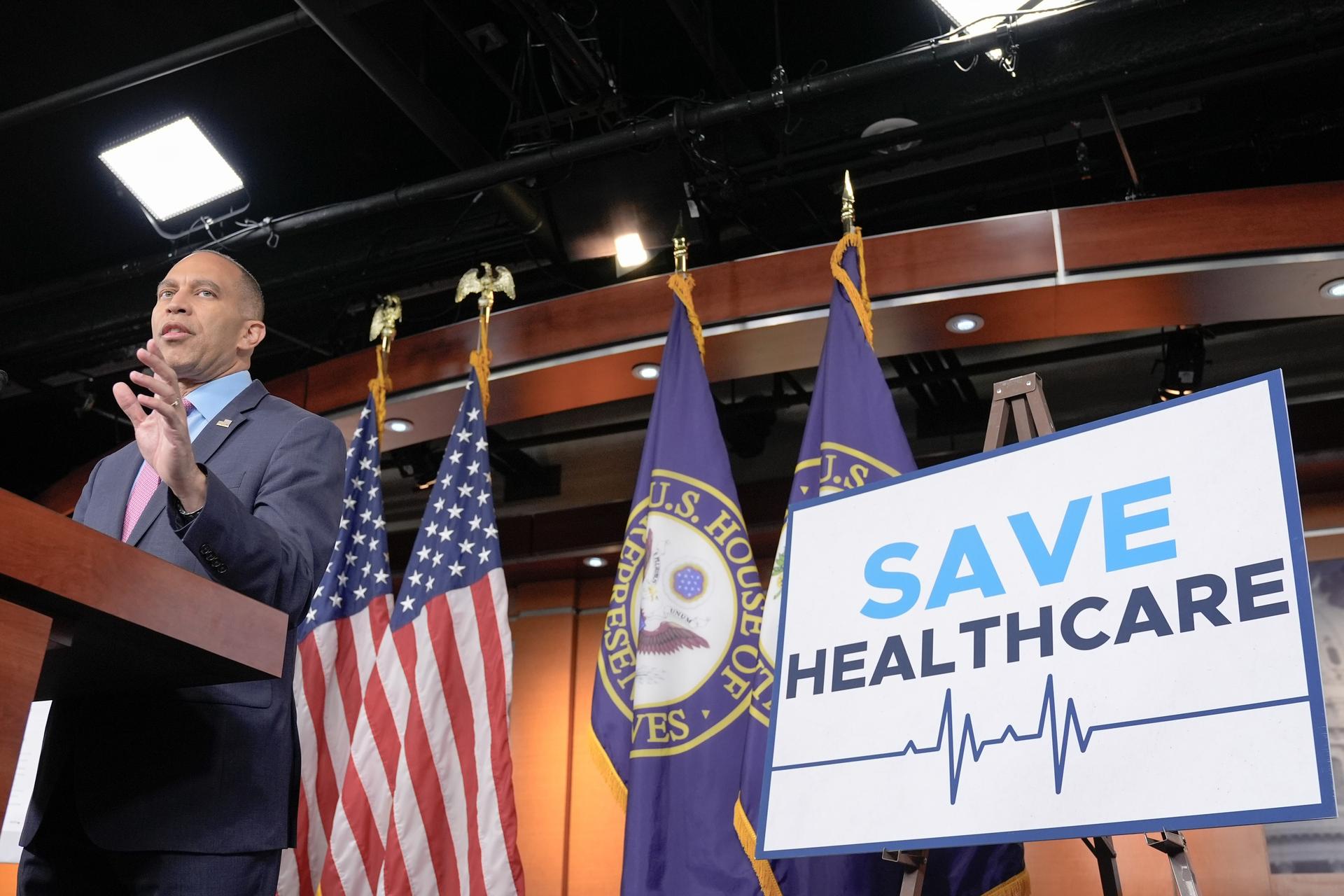
As I’ve mentioned previously, Republicans are refusing to extend health care subsidies for Americans enrolled in Affordable Care Act (ACA) health care plans. Democrats are fighting to protect these subsidies as part of the ongoing power struggle playing out with the government shutdown.
Thanks to the Virginia State Corporation Commission (SCC), we now have a better idea of just how much the loss of these subsidies would cost Virginians.
The biggest burden identified by the SCC would be felt in the western part of Virginia: the monthly premium for a couple in their 60s with an income of $84,700 in Roanoke County would go up by $1,076 if the ACA tax credits expire.
Elsewhere around the state and on the income ladder, households will see premiums go up by hundreds of dollars per month.
A couple in their 40s with two kids ages 10 and five making $96,450 in Virginia Beach or Fairfax County would see their monthly premium increase by $318. And a 45-year-old making $46,950 in Chesterfield or Henrico counties would see his or her monthly premium go up by $155.
“It is baffling that anyone could look at these numbers and decide that the best course of action is to continue sitting idly by, but that’s the choice that Republicans in Congress continue to make every single passing day during this government shutdown,” said US Sens. Tim Kaine and Mark Warner in a statement last week.
In fact, the Trump administration seems to be using the impasse to punish federal workers even more than it already has. President Donald Trump reportedly is open to the idea of withholding back pay for some federal workers who are working during the shutdown. Democrats and some Republicans were quick to point out that doing so would be illegal.
The economic pain of a shutdown is usually mitigated by federal workers getting their back pay. If those dollars in the form of wages really do go away after a shutdown, then it could raise real economic concern for Virginia.
And those concerns are only becoming more urgent as we enter week two of the shutdown.