Historical tour highlights locations that were central to Black life in Appalachia.
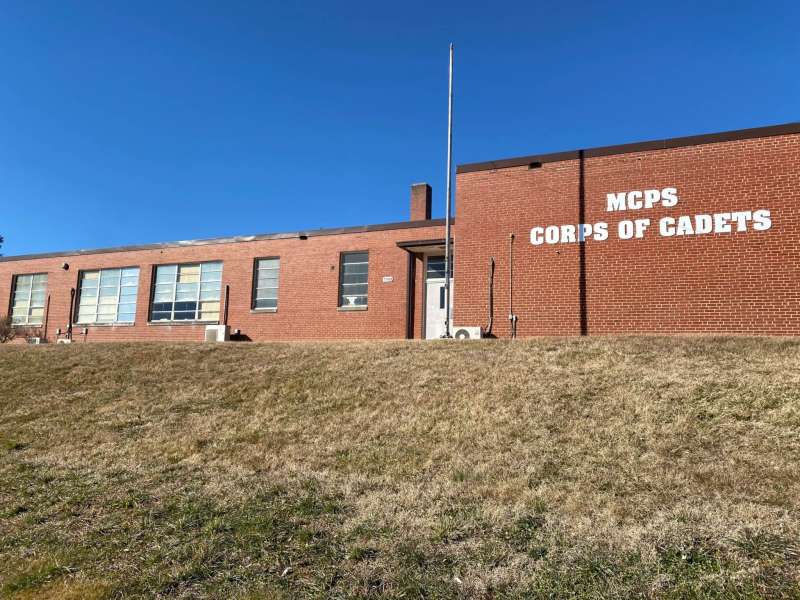
CHRISTIANSBURG – Earlier this month, Christiansburg Institute launched its Black History Trail map and driving tour. The map highlights five locations in the small Southwest Virginia town that were central to Black life during different time periods. The tour is the latest effort by the Christiansburg Institute to educate folks about the legacy of Black Americans in Appalachia.
In the view of Christiansburg Institute, Inc. Vice-Chair Ray Williams, it’s a history that we forget at our own peril. Ignoring the reality of what it meant to be Black in Appalachia, Williams said during a recent interview, allows Appalachians to forget the solidarity that historically defined the region.
Being Black in Appalachia
The history of Black folks in Appalachia is a topic that collectively we’ve just begun to explore, Williams said. It’s a small part of the broader story about Appalachia that remains novel.
Williams explained that when people attempt to tell the history of Black Americans, “it’s easy for attention to be pulled to places like Richmond, Virginia, New York City, Washington, DC, or Atlanta,” where there are larger Black populations. Williams, who grew up in Hampton, Virginia, admitted that he never considered the meaning of being Black in Appalachia. That is, until he took a job at Virginia Tech and connected with some Christiansburg Institute alumni.
After all, Southwest Virginia’s population is only about 4% African American, Williams said. But the history of the region is one of collective struggle across racial and ethnic lines. It’s dishonest to erase the diversity of the coalition that existed here.
“When we fail to be able to look back on that history in its completeness, we also experience the disconnects that actually should bring this community closer together,” Williams said. He cited labor organizing by the region’s coal miners as one example.
The challenges that coal miners faced in trying to secure labor protections, he explained, were the same whether those miners were Black, white or Indian. The region also saw “an influx of immigrants from Scotland, Ireland and Germany, who in their own way were facing the prejudices of the day as well,” Williams said.
The true battle being waged in Appalachia, Williams said, was between poor folks and wealthy corporate owners. “There’s actually a history there that shows people were closer culturally than they might believe they are today,” he concluded.
RELATED: Preserving the Christiansburg Institute’s Legacy
A Century-Long Vacuum
The history of labor organizing is only one blank spot that Christiansburg Institute seeks to fill. Williams said the institute, which plans to reopen as a Black history museum, is ultimately trying to address a century-long vacuum of Black stories.
“As you peel this onion back, what becomes very obvious is we know a good bit about life in America during the times of slavery, and then there was the freedom of slaves, and then our history seems to disappear and re-emerge sometime around the 60s when we begin to talk about Civil Rights,” Williams explained.
Failing to tell stories about the decades in-between these two historic periods limits our understanding of Black Americans, Williams said. We miss out on “the prominence of African Americans and the lifestyle they were able to generate. They were business owners [and] land owners,” he said.
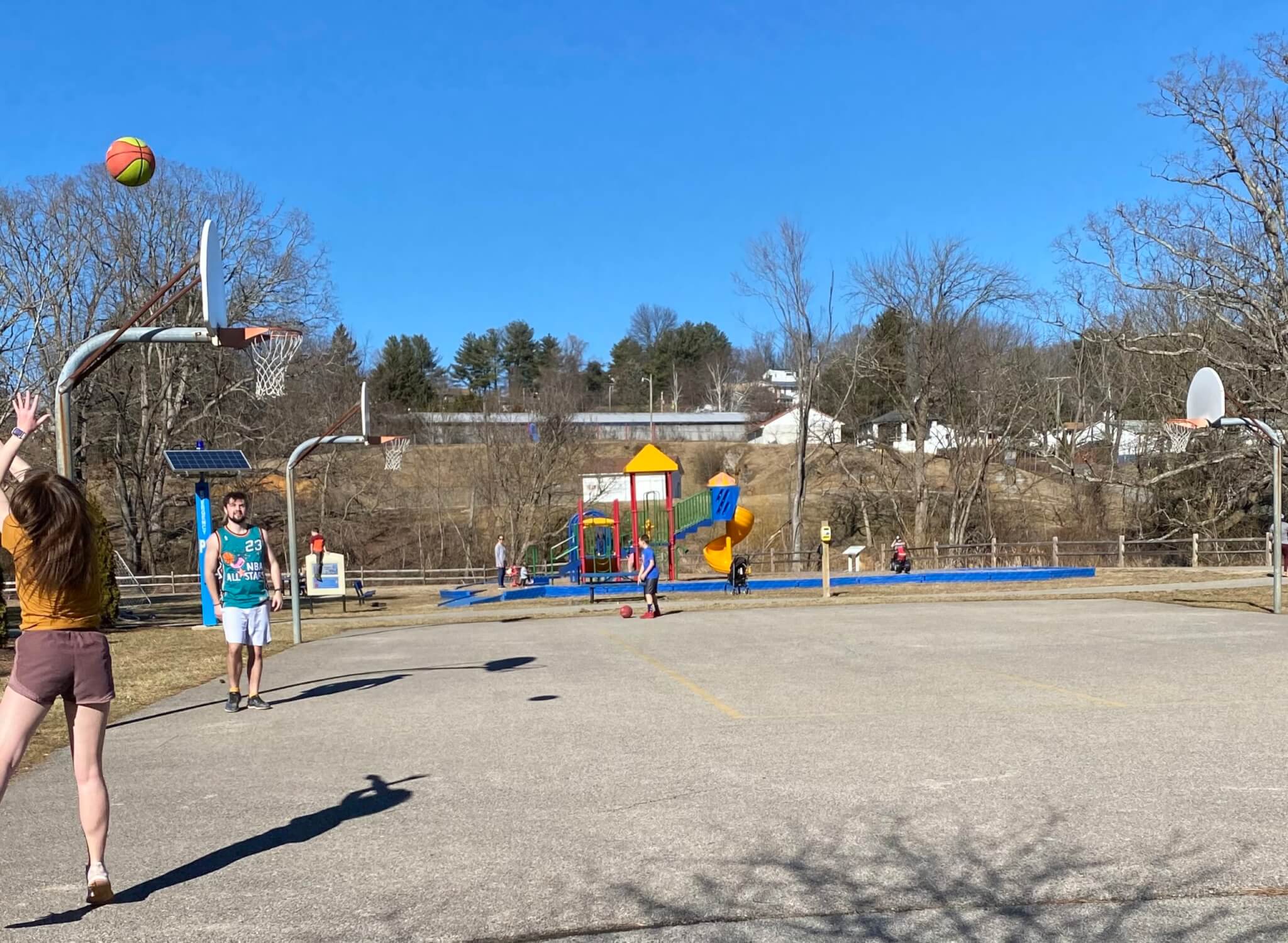
The new driving tour offers glimpses into these successful enterprises. For instance, the tour ends at the Rosa L. Peters Playground on Depot Street in Christiansburg.
In the 1930s, a group of Black citizens formed the “Civic Betterment League of Christiansburg” to improve the health of the community by creating recreational facilities for their children. This is according to a written history that accompanies the driving tour, which participants can access via a QR code. The civic organization opened the park, but maintaining funding was difficult.
In 1944, it was discovered that Rosa Lee Peters had left her entire estate—about $60,000—to support the park that now bears her name. The Civic Betterment League operates under a new name today, but its mostly-Black Board of Trustees still manages the park. It is now open to children of all races.
“What we’re doing now is trying to connect those dots and show a more comprehensive picture of actually, how African Americans lived and thrived,” Williams said.
Reframing the Narrative
Filling in these historical gaps is one important aspect of reframing the narrative around the Black community. Allowing the history of Black Americans to be defined by slavery and Civil Rights, Williams said, perpetuates a narrative of “need.”
Black Americans, Williams said, “don’t have…at the core of our culture, this vision of ourselves as a deficient population or a needy population.” He added that there is “ample evidence” to demonstrate the faith Black folks had in themselves, but it’s often ignored or erased.
“We were a population that was able to take care of itself. We were richly invested in our betterment, in education and success in the American Dream,” Williams said.
The Christiansburg Institute’s driving tour features three educational institutions that helped prepare Black folks in the region to thrive. Williams said educating local residents about this history serves as a reminder to the next generation of Black Appalachians.
“It’s so important for us to remind our children…that there (were) strong, thriving, productive communities of color,” even during challenging periods of history, Williams said.
The storytelling that Christiansburg Institute supports works in tandem with regional advocacy groups, Williams said. That includes Virginia Organizing and Virginia Tech’s Dialogue on Race. The Institute’s ongoing work was “born from the thoughts and ideas and visions” of its alumni association—members of which are still alive today.
“In 2020, this history that we speak of is still within our generation. It is not that long ago, and there are many carriers of our tribal knowledge that we would like to acknowledge, show our respect for, and our allegiance to,” Williams said. “Honoring their story is what drives the work that we do.”
Ashley Spinks Dugan is a freelance reporter for Dogwood. You can reach her at info@new.vadogwood.com.