

Although Virginia doesn’t get hit by hurricanes nearly as much as more southern states like Florida and Texas, the state has weathered its fair share of hurricanes over the years. Hurricane Isabel in 2003 caused over $1 billion in damage in the Commonwealth, while 1969’s Hurricane Camille killed 153 Virginians.
To avoid being caught unaware when the Commonwealth finds itself in the crosshairs of another devastating storm, preparation is key. Here’s your guide to staying safe during the 2026 hurricane season in Virginia.
When is hurricane season in Virginia?
The 2026 Atlantic hurricane season in Virginia started on June 1 and will end on Nov. 30. The riskiest part of the season for Virginians occurs from late summer through early fall.
During this time, tropical systems run the risk of causing damage related to wind, flooding, tornadoes, storm surge, and power outages.
Luckily, the National Oceanic and Atmospheric Administration is predicting a below-average Atlantic hurricane season this year. Based on an August outlook, two to six hurricanes are expected.
Does hurricane season pose a threat to those not on the coast?
The simple answer is yes. As Gov. Abigail Spanberger noted during her 2026 announcement on hurricane preparedness, severe storms impact those across the commonwealth, including those far from the coast in Southwest Virginia.
Those living inland are especially vulnerable to prolonged power outages. For example, Hurricane Helene caused immense damage in Southwest Virginia in 2024 after initially making landfall in Florida on Sept. 26 before moving inland. Southwest Virginia experienced flooding and dangerous wind gusts that ultimately destroyed homes, roads, and businesses, leaving many without power or clean drinking water.
The Town of Damascus was particularly hard-struck, with the downtown flooding. One of the town’s major tourism draws, the Virginia Creeper Trail, was severely damaged. In fact, 17 miles of the trail was destroyed. Luckily, the town has since recovered.
Be prepared
When the governor announced hurricane season, emergency management officials stressed that the best way to stay safe during a storm is to prepare beforehand.
Lauren Opett, acting state coordinator of emergency management, explained that preparedness includes gathering supplies, reviewing evacuation plans, and discussing emergency procedures with those you live with.
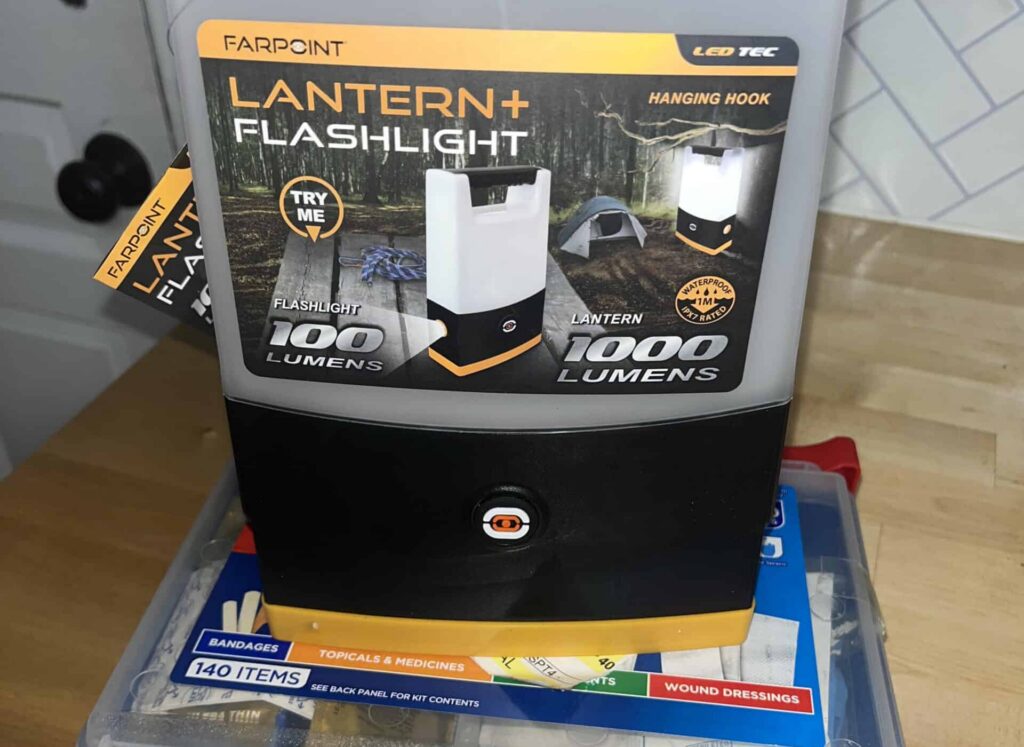
Emergency kit
Officials urge building an emergency kit with enough essential supplies to last at least three days.
Necessary items might include flashlights, batteries, food, water, backup cellphone batteries, a first aid kit, medications, and a battery-powered or hand-cranked radio. Medical providers can provide guidance on how to obtain an emergency supply of medications.
Because credit and debit card systems may not work during a storm, the Virginia Department of Emergency Management encourages Virginians to keep an emergency cash fund.
Additionally, critical paperwork, like birth certificates, Social Security cards, and deeds, should be backed up digitally in case they’re destroyed during a storm.
Your kit should be kept in a cool, dry place that is accessible to all members of your household.
Evacuation zones
Those living in coastal and low-lying floodplains should familiarize themselves with Virginia’s evacuation zones, officials said.
The interactive digital map shows zones ranging from A through D, with A being areas most at risk of flooding or storm surge. Importantly, emergency managers base evacuation orders on storm surge, flooding, and meteorological data, so zones aren’t always evacuated in predictable orders.
Develop a family emergency communication plan
Given that hurricanes are unpredictable and lines of communication may be disrupted, reconnecting with family members may initially be difficult. For that reason, officials urge you to develop a family emergency communication plan like this one. You can complete it and share it as a PDF.
You can add information like addresses, family member names, and alternative forms of communication to the plan.
Local municipal guides
Commonwealth officials encourage all residents to be aware of guides from local municipalities and to sign up for local emergency alerts. Here is guidance from municipalities throughout the Commonwealth.
Virginia Beach
Virginia Beach has an Emergency Operations Plan that outlines how departments will respond during an event like a hurricane. If a neighborhood group or other organization you’re part of is interested in having city staff give a presentation on emergency preparedness, you can submit a request here.
City residents can sign up for VBAlert, the alert and warning system that the emergency management team uses to convey information during an emergency. You can register to receive messages via text, email, and phone.
If an evacuation order is issued, keep in mind that the Chesapeake Bay Bridge-Tunnel is not a designated hurricane evacuation route. However, Interstates 64, 264, and 664; U.S. Routes 17 North, 58 West, and 460 West; and State Route 10 West can be used as evacuation routes.
Norfolk
Norfolk offers a detailed guide on what city residents should do to prepare for a storm and how to respond during high winds and storm surge. Communication with family members before, during, and after a storm is a great first step.
Norfolk Alert is the city’s primary system for communicating emergency-related messaging, so it’s important to register.
Chesapeake
Chesapeake Alert is the best way to ensure you’re in the know when severe storms hit. The notification system allows you to customize your alerts, like setting priorities and quiet times.
Chesapeake also provides a useful list of questions to ask yourself when preparing for a hurricane, like what your evacuation route should be and who to contact if your home is damaged.
Hampton
Hampton residents should reference the “Know Your Zone” feature before a storm so that they’re easily able to track updates and understand evacuation calls. This matters because most of the city is in zones susceptible to hurricane damage.
York County
York County encourages residents to be vigilant before storms by removing all outdoor items, like furniture and waste containers, before a storm so they don’t become projectiles.
The county also offers guidance on how to decide whether you should stay or go during a hurricane. Importantly, the decision should come down to whether you think your home can withstand hurricane winds. If you decide to stay, it’s best to stay in an interior area on the first floor, away from windows and doors.
However, it’s a good idea to heed evacuation calls because emergency services can quickly become overwhelmed during hurricanes. Having a travel plan for a more inland shelter, whether it be at a hotel or a family member’s house, is a good idea.
Arlington
Arlington residents can stay safe by signing up for Arlington Alert, a free hazardous-weather notification program. The biggest risk residents face during hurricane season is flooding, with one inch of standing water causing $25,000 in damage to a home.
You may also consider registering as a volunteer with the municipal emergency management department before, during, and after a disaster to help neighbors in need.
Northampton County
Most hurricanes impact the Northampton County area from late August through September, but the county urges vigilance even later in the season. To keep residents abreast of any potential emergency alerts, the county uses Everbright. Those who sign up for it will receive alerts and notifications on all their devices.
Shelters throughout the Eastern Shore may be opened during hurricanes. For example, Northampton residents will be directed to the Accomack County shelter, Nandua Middle School. Local radio stations will announce shelter openings.
Given the county’s location, it also offers guidance for boat owners. Owners can be held responsible for damage caused by their vessel during a hurricane. For this reason, they should develop a hurricane plan, such as locating hurricane moorings and removing all movable equipment.
Fairfax County
Fairfax County urges residents to think back to Tropical Storm Lee from 2003 and the significant flooding it caused in Northern Virginia to understand just how important hurricane preparedness is.
With researchers forecasting 13 named storms, six hurricanes, and two major hurricanes this year, the county said there is a 32% chance one of the hurricanes will impact the United States.
With this in mind, the county said it’s a good idea to sign up for community alerts.
Rockingham County
Rockingham County’s Department of Emergency Management offers guidance on protecting your home from flood damage, such as relocating electrical boxes to upper floors, installing septic backflow valves, and installing floating floor drain plugs in basements.
Additionally, the department encourages residents to know the difference between watches and warnings. A tropical storm watch, for example, is issued when conditions, like 39 to 73-mile-per-hour winds, present a possible threat to an area within 48 hours. Tropical storm warnings are issued when conditions are expected to impact an area within 36 hours.
Alternatively, hurricane watches are issued when conditions, like sustained 74-mile-per-hour winds, are possible within 48 hours. Hurricane warnings are issued when conditions are expected to impact an area within 36 hours.
This article first appeared on Good Info News Wire and is republished here under a Creative Commons license.
Related: 12 orchards in Virginia perfect for apple picking, tasty treats, & fall fun