It was sometime in the late 1950s or early ’60s, when every cent mattered. My grandpa was a strong part of the workforce—and he had a wife and two kids at home to provide for. He often told me the story of working at one establishment, when he saw the place across the street was hiring for 5 cents more.
He said it was a no-brainer. He got the job, made a nickel more per hour, and hopped again whenever another 5-cent opportunity came along. I have always admired his ambition and courage in believing in his abilities and striving for something greater. Today, we’re sharing inspiring accounts of Virginians who also went for more than what they were given. I’m so glad you’re here.
|
|
|
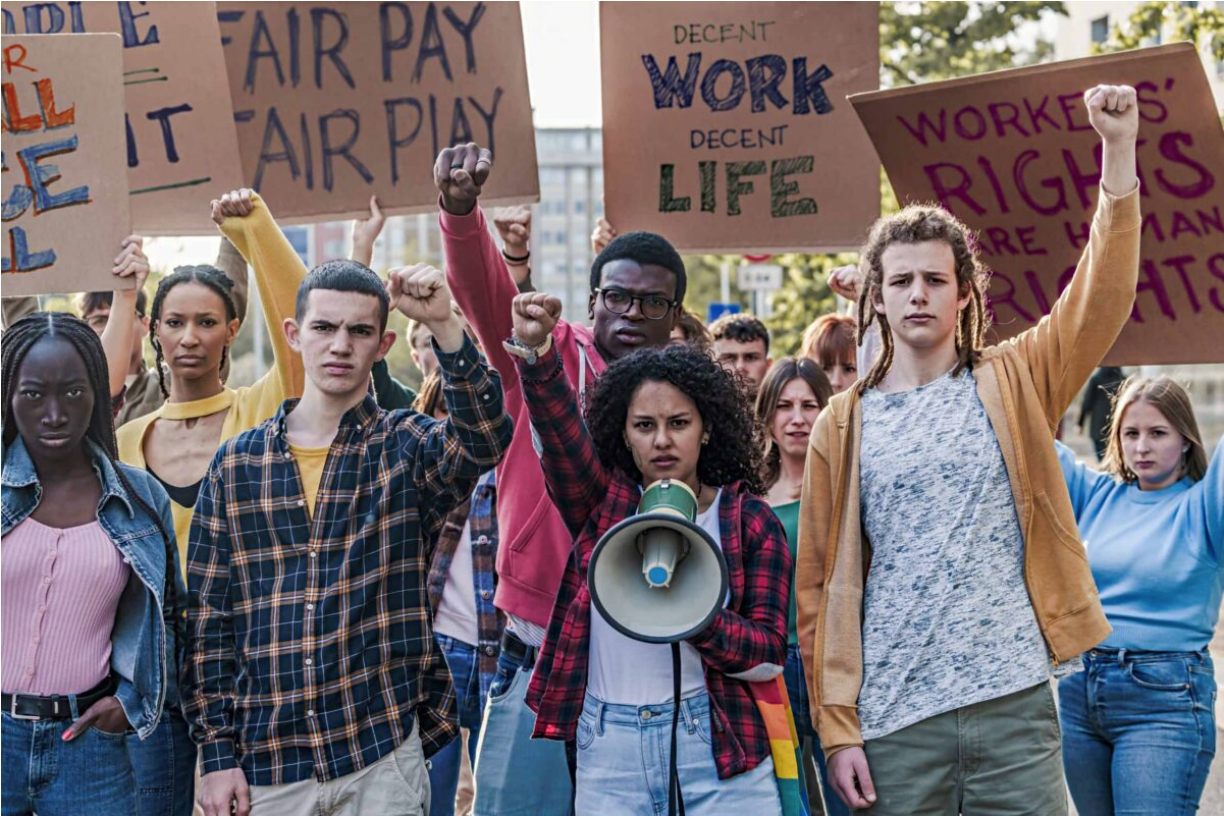
Over the decades, Virginians from multiple industries have utilized unions to progress workers’ rights. (Lomb/Shutterstock)
|
By Aila Boyd
Here’s what you need to know: Many labor principles now considered well-established were developed through early cross-racial union organizing, mass strikes in such industries as tobacco, textiles, coal, and rail, and hard-fought legal battles.
Our top picks:
-
The electricians in Richmond who were part of Local Union 666, which formed in 1910, went on strike in 1919 following a dispute with contractors over a proposed pay increase. Due to the contractor’s unwillingness to budge, the workers formed Union Electric Company. A fire had recently damaged an area newspaper’s plant, and the newspaper hired the striking electricians for the repair job.
-
Richmond witnessed a considerable amount of unrest among tobacco workers in 1937. Perhaps most surprisingly, in May of that year, roughly 400 Black women who worked as tobacco stemmers began striking at the I.N. Vaughan plant due to dissatisfaction with wages and working conditions. The women were earning a meager $3 a week for more than 80 hours of work in brutal conditions.
- Portsmouth made union history last year when workers at the Rivers Casino secured a union contract by voting 95% in favor of ratifying a collective bargaining agreement. The vote established the workers as the first casino workers in the commonwealth to secure a union contract.
Want to see courage in action? Read about Virginia workers who fought for better conditions.
|
|
|
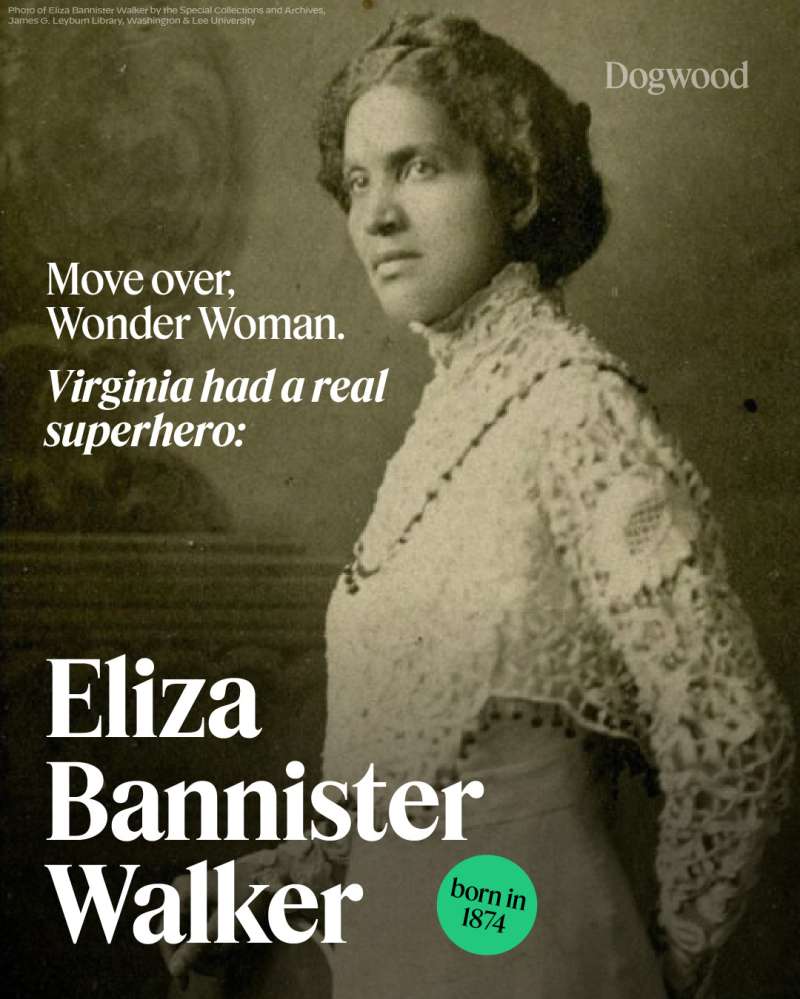
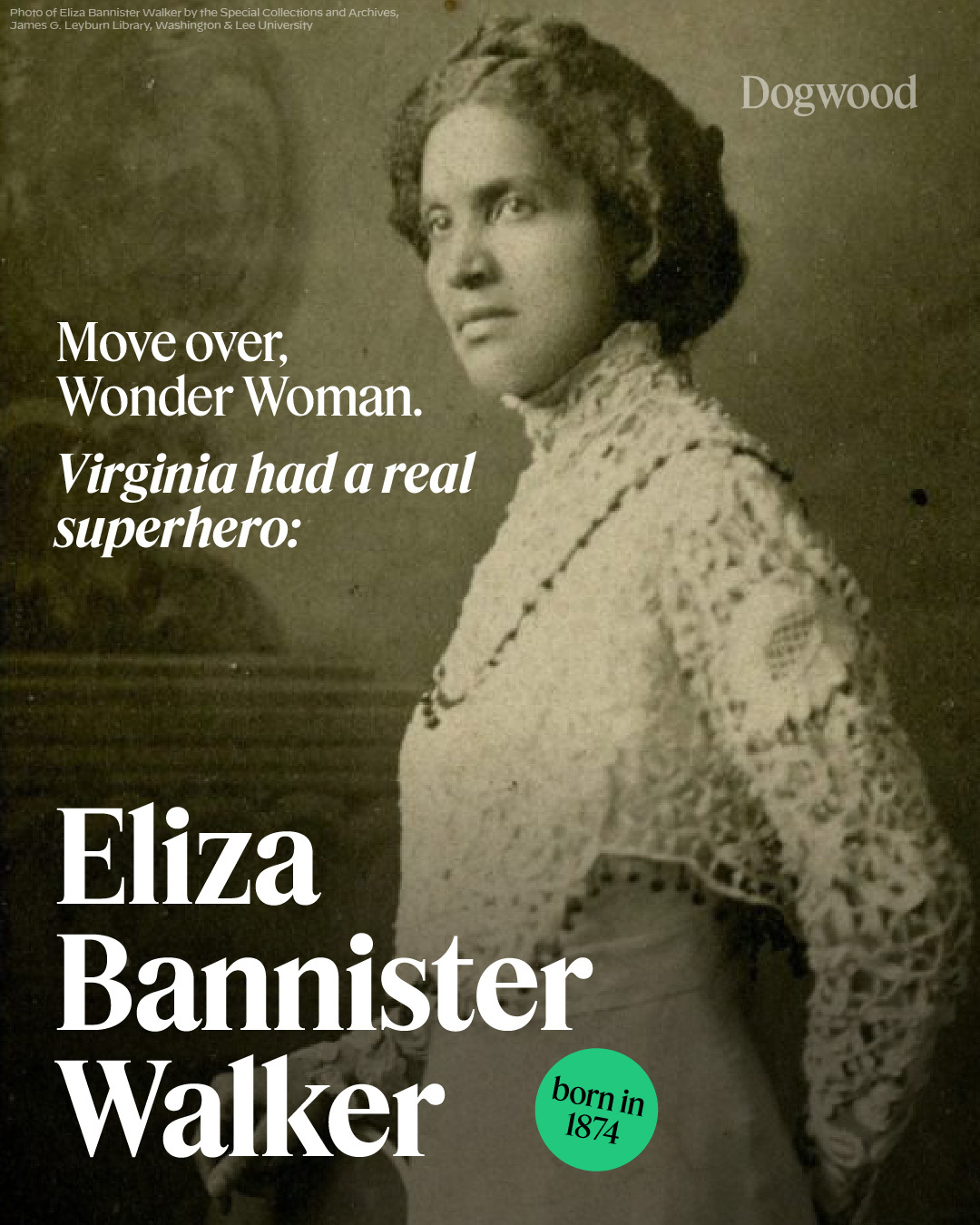
A talented singer and gifted poet, Walker used her art to raise money, selling original poems for 25 cents to support an “old folks home” and orphanage in Lexington.
Walker also fought for education. In 1932, she signed a letter requesting a high school teacher for Black students at Lylburn Downing School, with parents pledging to pay the $55 salary themselves.
Her advocacy worked. In the 1940s, the school expanded to offer high school education.
|
|
|
Job: Natural Resources Youth Education Extension Specialist
Location: Virginia Tech in Blacksburg
Salary: $60,000 to $70,000/year
Qualifications:
- Master’s degree or equivalent in natural resources, environmental education, or a closely related discipline
-
Demonstrated experience in youth-focused natural resources education, outreach, or Extension programming
- Strong organizational skills and the ability to manage multiple projects simultaneously
- Excellent written, verbal, and interpersonal communication skills
- Experience developing, delivering, and evaluating educational programming for youth
Job description on Indeed: “The successful candidate will develop, coordinate, and deliver high-impact youth education programming focused on Virginia’s forests, wildlife, water resources, and the sustainable use and management of these natural resources. Programming will be delivered across rural, suburban, and urban communities and will intentionally address the diversity of audiences, ecosystems, and natural resource challenges found throughout the Commonwealth.”
|
|
|
Would you recommend this newsletter to your neighbor?
|
|
|
Thanks for reading. This newsletter was written by Amie Knowles with a story by Dorothy Scott. Amie is a lifelong Virginia resident and mom to a fantastic 8-year-old who loves Pokémon. This edition features reporting by Amie Knowles. It was edited by Paula Solis.
Dogwood is free for everyone. Your support makes that possible.
|
|
|
You are receiving this email because you opted in via our website.
Our mailing address is:
Dogwood / COURIER Newsroom
611 Pennsylvania Ave. SE
Washington, DC 20003-4303
Want to change how you receive these emails?
You can update your preferences or from this list.
|
|
|
|