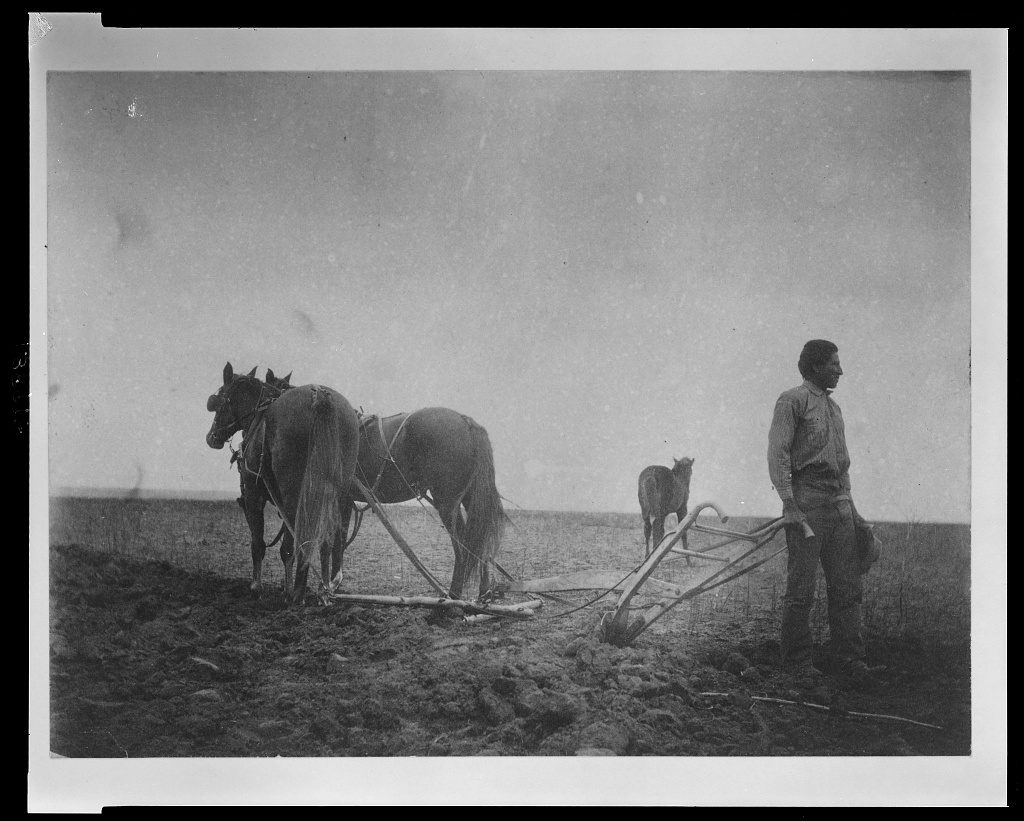
Frances Benjamin Johnston photographed a Native American man standing in field with horse-drawn plow, while attending Hampton Normal and Agricultural Institute, Hampton, Virginia. Circa 1900. Retrieved from the Library of Congress Prints and Photographs Division.
This Native American History Month, we’re committed to honoring the story of Virginia’s indigenous population.
Native American history in Virginia dates farther back than 1607 when colonists first touched down in the commonwealth. In fact, evidence of native cultures in America spans back tens of thousands of years.
At around the same time the Jamestown settlers arrived, the Algonquians lived along the coast, the Siouan settled in the Piedmont region, and the Iroquoian resided near the state’s center.
From these language groups came many unique tribes. In Virginia, there are 11 recognized Native American tribes: The Cheroenhaka, Nottoway, Patowomeck, Pamunkey, Chickahominy, Eastern Chickahominy, Mattaponi, Upper Mattaponi, Rappahannock, Nansemond, and Monacan Indian Nation.
During the early years of the Virginia colony, natives were pivotal to the colonists’ survival, as Chief Powhatan—father of Pocahontas—would often send food to the starving English.
Despite this aid, the two groups often feuded with each other, even going to war in 1622.
Deadly conflicts continued to arise throughout the 18th and 19th centuries. Despite many treaties and agreements between local tribes and Virginians, settlers encroached on native lands, felled forests, and consumed game—all vital elements to the tribes’ traditions and ways of life.
However, the physical battles weren’t the only source of sorrow: Since the English first docked in Virginia, they brought illnesses never before seen by America’s indigenous population. Ailments included measles, mumps, smallpox, chickenpox, the flu, pneumonia, typhoid, and the common cold—which were all new to the New World.
As colonists began to settle and create their new government, they designated tracts of land called Indian reservations.
According to the History Channel online, “the main goals of Indian reservations were to bring Native Americans under US government control, minimize conflict between Indians and settlers and encourage Native Americans to take on the ways of the white man. But many Native Americans were forced onto reservations with catastrophic results and devastating, long-lasting effects.”
Near the turn of the 20th century, Encyclopedia Virginia reports that a “cultural renaissance bloomed,” and scholars began to study indigenous history more closely. An important law passed in Virginia in the late 1980s, which allowed Virginia Indians to change the racial designation on their birth certificates at no cost.
Later in the 20th century, President H.W. Bush proclaimed the entire month of November as Native American Heritage Month.
Now, things are starting to come full-circle in Virginia. In April 2022, the Rappahannock tribe gained 465 acres of annexed land along the Captain John Smith Chesapeake National Historic Trail.
If you’re interested in learning more about Virginia’s 11 recognized Native American tribes, a great place to start is at the Virginia Museum of History and Culture. There, you can learn more about individual stories, historic ways of life, and more.

Support Our Cause
Thank you for taking the time to read our work. Before you go, we hope you'll consider supporting our values-driven journalism, which has always strived to make clear what's really at stake for Virginians and our future.
Since day one, our goal here at Dogwood has always been to empower people across the commonwealth with fact-based news and information. We believe that when people are armed with knowledge about what's happening in their local, state, and federal governments—including who is working on their behalf and who is actively trying to block efforts aimed at improving the daily lives of Virginia families—they will be inspired to become civically engaged.

This winter, learn the real story of Pocahontas
Pocahontas’s life is often shaped by the colonizers who rewrote her history. This is the real story of the Native American girl whose name meant...

8 historical (yet haunted) battlefields in Virginia
At these haunted battlefields in Virginia, bloody histories and ghostly legends come together. Nowadays, Virginia’s rolling hills and tranquil...
Songcatchers: The fascinating story of how scholars saved Appalachian music from extinction
At the turn of the 20th century, academics traveled the Appalachians to save ancient music before it was lost. Learn how the legacy of the...
5 unsung films that dramatize America’s rich labor history
By Peter Dreier, Occidental College The U.S. is in the midst of a new upsurge of union organizing. Is a Hollywood drama about angry Starbucks...
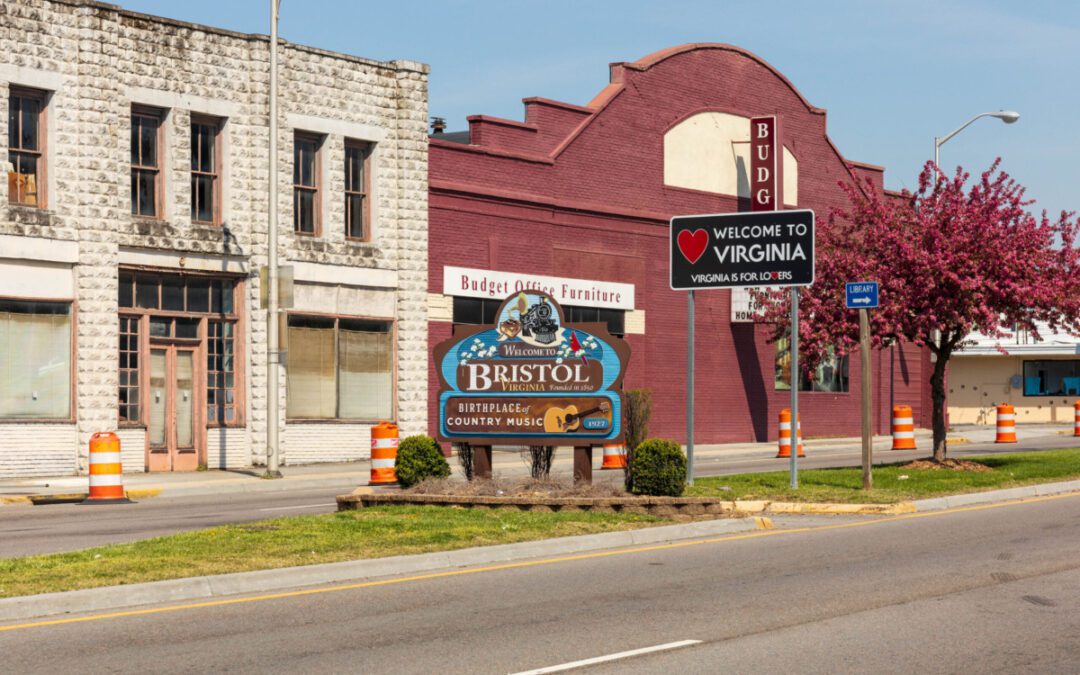
Southwest Virginia’s surprising country music history
Country music has deep roots in Southwest Virginia. Here’s what you need to know about its history. When most people think of country music, they...
6 creepy facts about Virginia that textbooks leave out
Most textbooks recap specific, traditional details. Here are six creepy facts about Virginia you might not know. I’ve always been drawn to the...