In Virginia, rising energy bills are forcing a rethink of what “affordable power” really means.
For many Virginians, the cost-of-living squeeze shows up most clearly in everyday expenses, from groceries to rent to the monthly power bill. Electricity costs are already set to climb again in 2026, after state regulators approved Dominion Energy rate increases that will add about $13 a month to the typical residential bill over the next two years.
Those hikes are not just another line item. They’re household concerns, and they’re prompting fresh questions about what actually keeps energy affordable over time.
Clean energy is increasingly part of that conversation. Rather than a futuristic experiment, advocates frame renewables as a practical way to stabilize costs because they draw on abundant local resources and long-established technology, instead of fuel markets that can swing sharply from year to year.
READ MORE: Who’s driving up your energy bill? It’s not you
Clean energy is cheap because it’s unlimited
Fossil fuels are finite by definition, and Virginia still relies heavily on them. Natural gas and coal supply more than half of the state’s electricity, leaving ratepayers exposed when fuel prices spike. In recent years, gas costs in particular have surged, driving sharp swings in what utilities pay to run power plants and, in turn, what customers see on their bills. Every ton of coal, barrel of oil, or cubic foot of gas that gets burned today becomes less available tomorrow. So as supplies shrink, prices will continue to rise.
Solar and other renewable sources work differently because their fuel does not run out. According to National Geographic, the Earth receives enough energy from the sun in just one hour to meet global energy needs for an entire year. Researchers say that steady flow of energy will continue for billions of years, making long-term prices more predictable.
Energy sources that do not depend on dwindling supplies are less vulnerable to price spikes caused by supply shortages, market manipulation, or global political problems. Instead of responding to scarcity, clean energy relies on consistency—a quality that matters when households are trying to plan around monthly bills.
That stability is one reason renewable energy is increasingly associated with affordability rather than risk.
Clean energy cuts waste because it’s local
Distance is one of the quiet drivers of electricity costs.
Much of the energy used in Virginia begins far from where it is ultimately consumed, moving through a long chain of extraction, processing, transportation, and conversion before it ever reaches a home or business. Each step adds cost—and in many cases, waste.
According to a 2024 analysis from RMI, nearly two-thirds of all energy in the global fossil fuel system is lost before it ever delivers useful services. Those inefficiencies are baked into the prices customers pay.
Clean energy projects like solar and wind farms can shorten that chain by generating electricity close to where it’s used, reducing the need for fuel extraction, long-distance transport and energy-intensive processing. When power travels fewer miles, there are fewer opportunities for losses—therefore, fewer costs passed onto households.
Supporters argue that local generation also shields households from some price shocks linked to international crises, pointing to recent fuel-driven rate hikes as a warning sign of what continued dependence on gas and coal could mean.
According to CNN, in 2022 when Russia invaded Ukraine, energy markets around the world reacted sharply. US gas prices spiked, and American households each spent an average of about $900 more on gasoline that year, largely due to global supply uncertainty.
READ MORE: Virginia invests $481K in Sussex County project to boost clean energy supply chain
Clean energy doesn’t use land—it reshapes how land is used
Debates about solar and wind farms in Virginia often focus on how much land they might occupy, but researchers note that the existing fossil fuel system already uses a substantial footprint. A detailed analysis from Stanford University estimates that drilling sites, coal mines, pipelines, refineries, power plants, and related infrastructure already occupy tens of thousands of square miles across the US—about 1.16 percent of the entire country.
In other words, the US is already using vast amounts of land to power the economy. Clean energy projects do not introduce land use as much as they reshape it, often more efficiently.
Solar and wind projects aren’t new technology
Clean energy is sometimes framed as cutting-edge or experimental, but the basic science behind clean power has been understood for generations.
Technologies that harness solar energy, for example, have been used for decades—from satellites in space to utility-scale power plants and residential rooftops.
As equipment prices have dropped, costs have fallen dramatically for utility companies and homeowners who use them.
In energy markets, that kind of familiarity can matter: proven technologies are generally easier to finance and maintain, which can reduce the risk of sudden surprises on customer bills.
Clean energy will not erase rising energy bills overnight, especially as Virginia’s population grows and extreme weather pushes the grid harder in both summer and winter. But the core traits that define renewables—abundant fuel, local generation, and mature technology—are drawing new attention as families look for ways to keep monthly bills more predictable.
For years, higher costs were often cited as a reason to move cautiously on clean-energy policy. But now, with rate hikes and fuel volatility putting pressure on everyone’s wallets, advocates say those same cost concerns are becoming one of the strongest arguments for looking more closely at how Virginia’s power system works, and who ultimately pays to keep it running.
WATCH: Virginians have spoken—they’re ready for clean energy


New Google data center near Richmond sparks fears over higher bills, water, and climate
One of the wealthiest companies in the world is planting deeper roots in Virginia—but at what cost to residents? In Northern Virginia neighborhoods,...

Spanberger unveils new plan to lower Virginians’ energy costs
The Democratic nominee for governor rolled out yet another plan aimed at making the cost of living more affordable in Virginia. When it comes to...
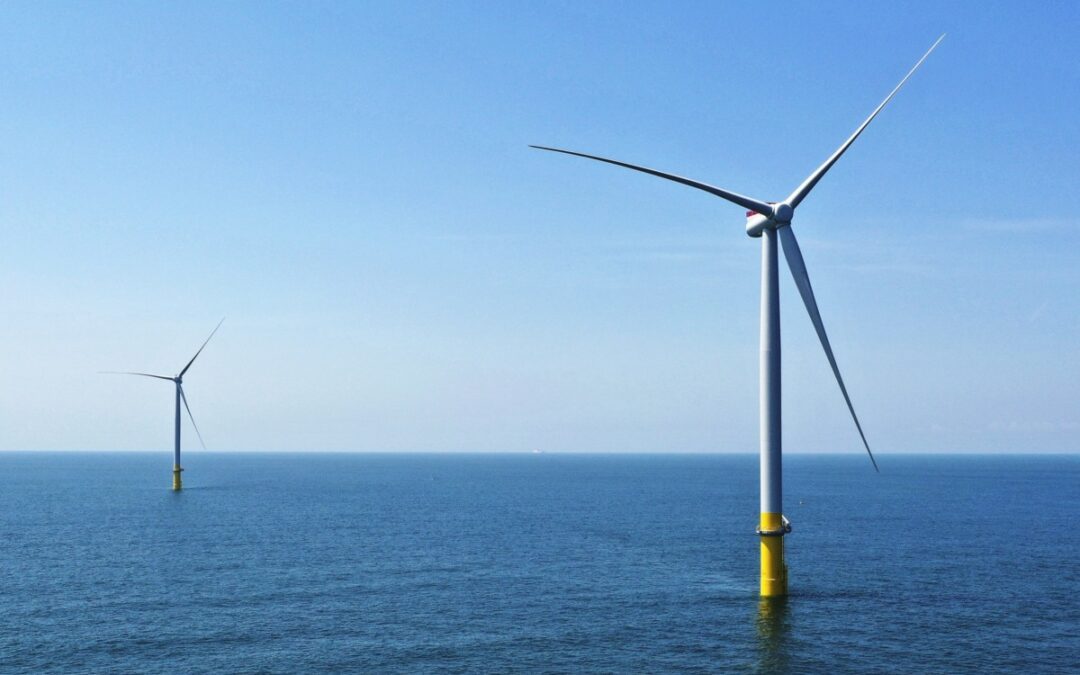
Trump tariffs add millions in costs to Dominion wind farm project
A Dominion executive told investors last week that President Donald Trump’s tariffs had already added $4 million to the cost of a major wind farm...

Virginia agency says Richmond water crisis was ‘completely avoidable’
Richmond may have broken state law related to public water, according to a notice from the Virginia Department of Health’s Office of Drinking Water....

Biden sets 10-year deadline for cities to replace lead pipes and make drinking water safer
A decade after the Flint, Michigan, water crisis raised alarms about the continuing dangers of lead in tap water, President Joe Biden is setting a...

Opinion: We must help communities that have been left behind, no matter who wins in November
In this op-ed, Justin Maxson and Sarah Jaynes advocate for prioritizing federal investments to uplift all communities and ensure widespread economic...