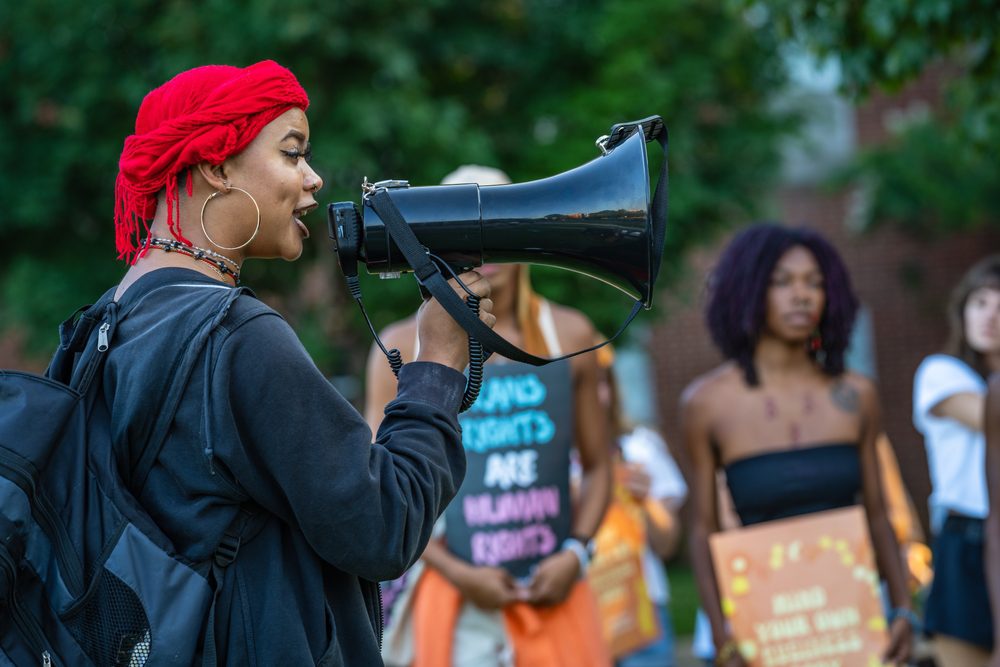
Photo credit: Michael Scott Milner/Shutterstock
From prenatal care to miscarriage management, HJR1 aims to protect a broad range of reproductive health decisions.
In doctors’ offices, living rooms, and on sidewalks outside of polling places across Virginia, people have argued over what reproductive freedoms should look like—whether that means access to birth control, abortion, miscarriage management, IVF, or even basic prenatal and postpartum care. What they may not realize is that a quiet legal fight over paperwork and public notice requirements could decide whether they ever get to vote on that question this fall.
RELATED: Virginia lawmakers weigh proposal to safeguard contraception access
House Joint Resolution 1 (HJR1) is the proposal at the center of that fight. The proposed amendment to the Virginia Constitution would create a “fundamental right to reproductive freedom” and protect a wide range of health care decisions, including contraception, abortion care, miscarriage management, fertility care, and pregnancy-related care.
Earlier this month, a lawsuit filed in Bedford County by a local supervisor, backed by the conservative legal group Liberty Counsel, alleged that state lawmakers skipped required notice steps when they advanced HJR1. The conservative plaintiffs are asking a judge to keep the amendment off the 2026 ballot entirely, and require that lawmakers restart the process. In other words, before Virginians can vote on this amendment, a court must decide whether it followed the appropriate steps to be put on the ballot at all.
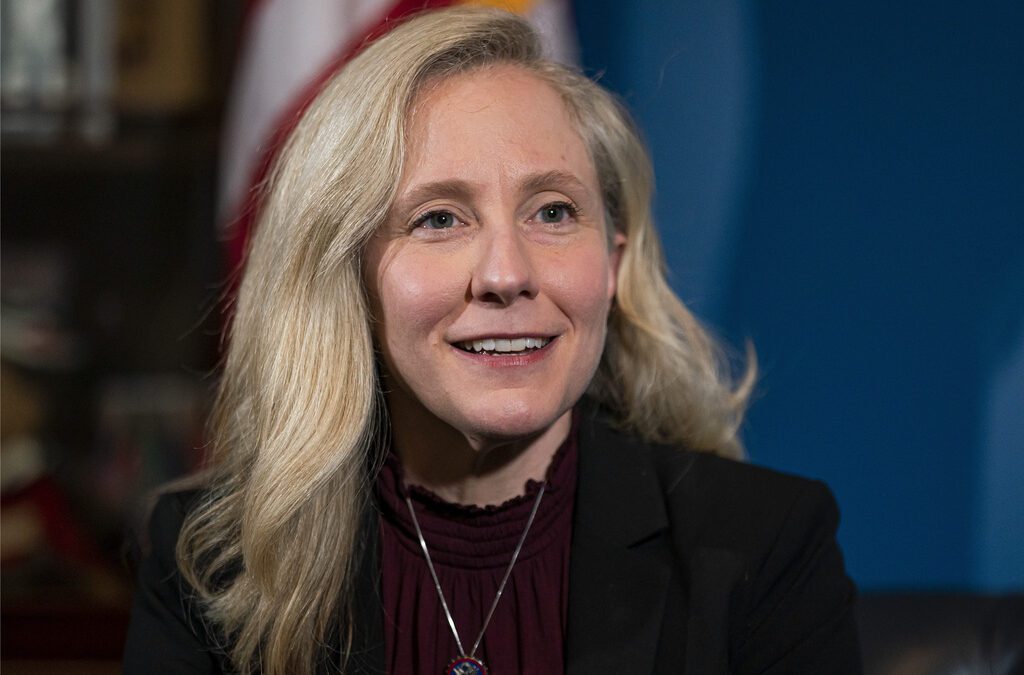
But a recent change to the system by Gov. Abigail Spanberger could negate the lawsuit entirely.
The constitutional process
To amend the Virginia Constitution, a proposal must pass the state General Assembly twice in back-to-back regular sessions with a House of Delegates election in-between. After the first passage, the proposal must be sent out to circuit court clerks around the state and posted at those courthouses at least three months before that intervening election.
According to Liberty Counsel, that did not happen. The lawsuit faults several state officials and agencies for the oversight, including the house clerk, the commissioner of elections, the Virginia State Board of Elections, the Department of Elections, and the Bedford County registrar.
However, last month Spanberger signed a measure removing that notice requirement from the state code and making the change retroactive for three constitutional amendments voters are expected to see on their ballots this year. Those three consist of HJR1, an amendment protecting same-sex marriage to keep it legal at the state level regardless of federal changes, and an amendment restoring voting rights to formerly incarcerated people who have completed their felony sentences.
“So basically what that means is she has already cleared the way…whether it was adhered to or not, we are still good to go with these constitutional amendments,” said Delegate Jessica Anderson (D-James City, New Kent, Williamsburg Counties). “We are following the code because the code has been rectified.”
She said the reason Spanberger changed the existing code was because it “was very outdated.”
“Everything is very accessible online, having to post a piece of paper publicly to disclose amendments that have been nationally and at the state level talked about ad nauseam, is something that just isn’t necessary,” Anderson said. “So I appreciate her making that change to the code so that we don’t have to continue these kinds of old school tactics. But again, it’s a retroactive policy that means that we are still where we need to be legally.”
What the amendment does
Since the US Supreme Court’s ruling in Dobbs v. Jackson Women’s Health Organization overturned Roe v. Wade, strict abortion bans across the South have pushed thousands of patients into Virginia for care.
If the amendment makes it to the November ballot, passing HJR1 would add a new Section 11-A to Virginia’s Bill of Rights that protects reproductive health care as a right in the Commonwealth, and forbids the state government from punishing anyone for their pregnancy outcomes. It’s the state’s response to a growing problem nationwide, where some states have tried to police reproductive care all the way down to collecting tissue from a miscarriage or prosecuting for a stillbirth.
The text of HJR1 says that “every individual has the fundamental right to reproductive freedom, including the ability to make and carry out decisions relating to one’s own prenatal care, childbirth, postpartum care, contraception, abortion care, miscarriage management, and fertility care.” It also says the Commonwealth “shall not penalize, prosecute, or otherwise take adverse action” against anyone based on their own pregnancy outcomes—including miscarriage, stillbirth, or abortion—or for helping someone exercise that right with their consent.
READ MORE: As southern states ban abortion, thousands of patients head north—to Virginia
Anderson has called the recent southern abortion bans “incredibly draconian,” or extremely harsh, and says they’re part of why she wants protections written into Virginia’s Constitution.
“I co-sponsored [HJR1] along with the other two ballot measures for same-sex marriage and for voter restoration, because at the end of the day, this is about the people. And it’s for the people,” Anderson said. “Anyone that’s voting no against these measures and is fighting tooth and nail in court is telling on themselves. They are quite literally saying, ‘We know that these are popular measures and amendments, and we don’t want them to go in front of the people on a ballot, because we will lose and the people will win.’”
Jamie Lockhart, executive director of Planned Parenthood Advocates of Virginia, calls the Bedford County lawsuit “frivolous” and said it was filed “in an attempt to take away the choice of Virginians before they ever get to cast a ballot.”
“Just to be clear, Virginians deserve the chance to vote on whether reproductive freedom should be protected in our state constitution,” she said.
She said the amendment would protect “full-spectrum” reproductive care that is “free from government interference or criminal punishment.”
“This year courts across Virginia have repeatedly rejected similar attempts to block constitutional amendments from reaching voters,” Lockhart said. “We are confident in the legal validity of the amendment. It passed through the Virginia General Assembly twice with an intervening election. It’s something we have been talking about for years, so we will vigorously defend Virginians’ rights to vote on this amendment this November.”
RELATED: Gov. Youngkin vetoes contraception protections—again
What’s at stake for Virginians
If the court sides with Liberty Counsel and the plaintiff, HJR1 would likely come off the 2026 ballot and lawmakers would have to start the amendment process over. If the court rejects the challenge, the amendment proposal is expected to appear on the ballot, with early voting beginning in September.
Anderson said Virginians, not a technical lawsuit, should decide whether to lock these reproductive health protections into the Constitution and keep Virginia a refuge for people coming from states with stricter bans.
“[HJR1] will give us the opportunity to make sure we are protected,” she said. “It is enshrined in our Constitution, and we maintain that sanctuary state for our neighbors.”


Virginia lawmakers warn—contraception fight is far from over as Trump officials push to destroy $10M supply
Planned Parenthood’s “Bros for Repro” delegates say federal attacks on birth control could foreshadow risks for Virginians. Virginia lawmakers say...
At a Virginia roundtable, advocates warn contraception rights are at risk
The event spotlighted Virginia’s stalled Right to Contraception Act and the broader fight against policies that could strip thousands of Virginians...

In her own words: Why this Texas physician now helps women in Virginia
Dr. Lou Rubino is just one of many physicians who’ve left Texas as a result of the state’s multiple abortion bans—laws that prevent doctors from...
Ghazala Hashmi speaks out: ‘I’m so thankful my doctor could save my life’
The Democrat running for lieutenant governor of Virginia reveals she had two dangerous miscarriages—and pledges to protect reproductive rights for...
Spanberger makes reproductive rights a cornerstone of her run for governor
She's pledging to defend contraception access and expand abortion protections. Virginians got to learn a little more about the Democrat running for...
Supreme Court limits nationwide injunctions, but fate of Trump birthright citizenship order unclear
WASHINGTON (AP) — A divided Supreme Court on Friday ruled that individual judges lack the authority to grant nationwide injunctions, but the...