First Over-the-Counter Birth Control Pill Gets FDA Approval
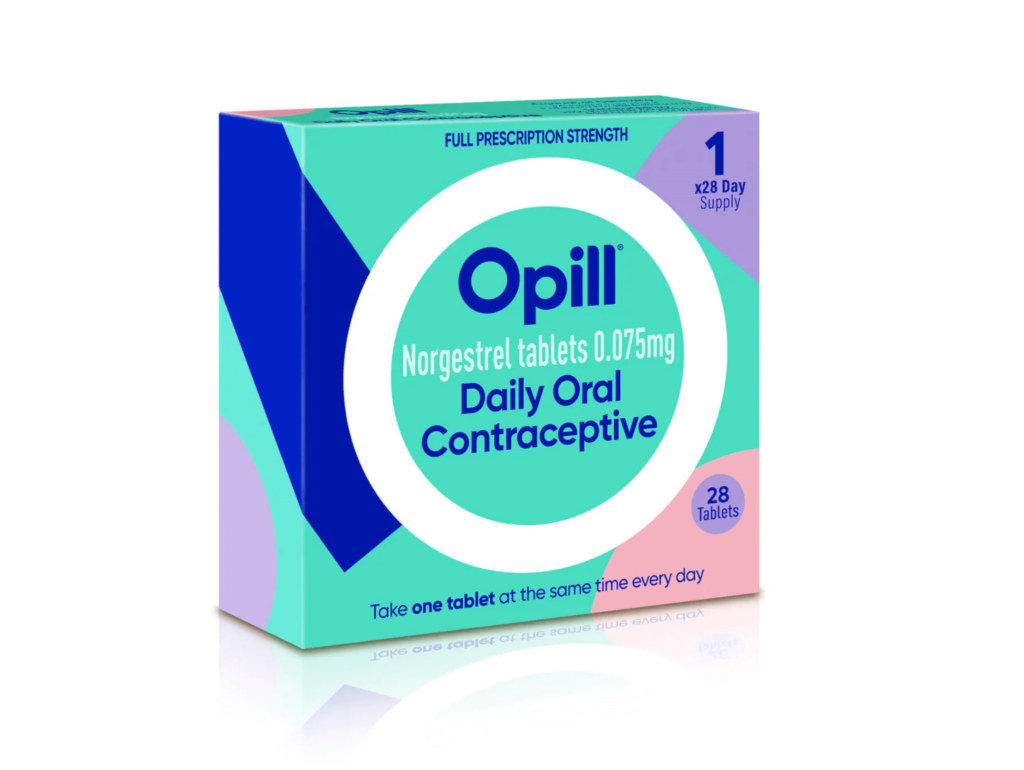
Opill is the first ever birth control pill to be approved for over-the-counter sales. The medication will likely become available at stores and online retailers in the U.S. in early 2024.

Opill is the first ever birth control pill to be approved for over-the-counter sales. The medication will likely become available at stores and online retailers in the U.S. in early 2024.
Sen. Tommy Tuberville's decision means these military officers are not getting the pay raises they’re owed, cannot move their families to wherever they’re going to be stationed next, and cannot enroll their children in new schools.

Workers in the commonwealth have publicly described noncompetes as “exploitative and coercive,” “devastating for workers,” “WRONG,” and as measures that “hurt the average middle class professional.”

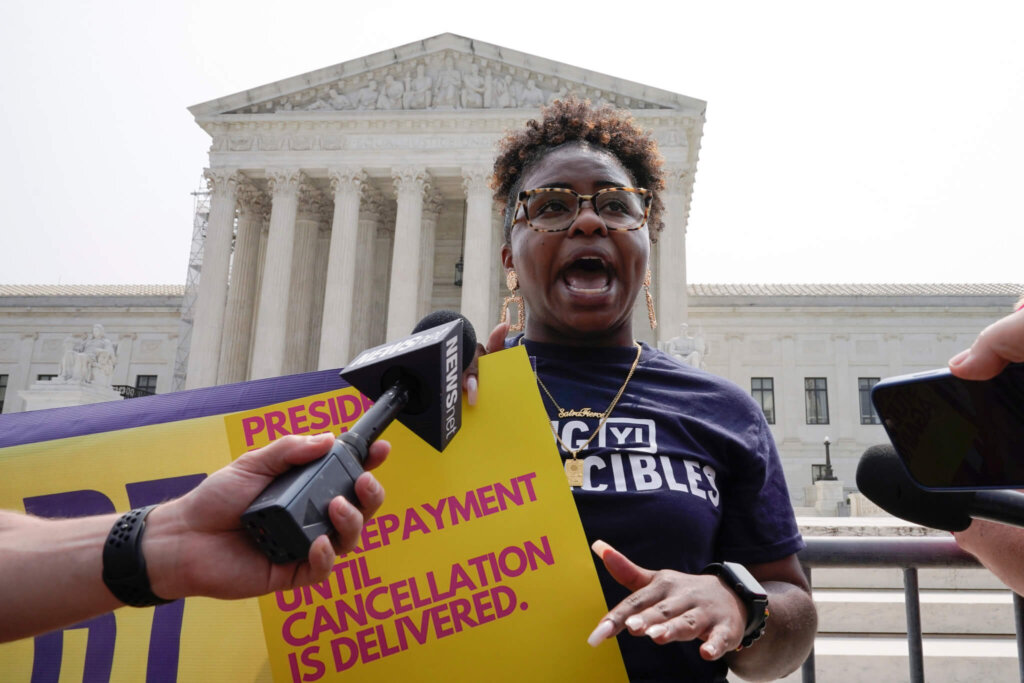
Nationwide, more than 45 million people owe $1.6 trillion in federal loans for college, according to government data, and as many as 43 million of them stood to benefit from the cancellation program.
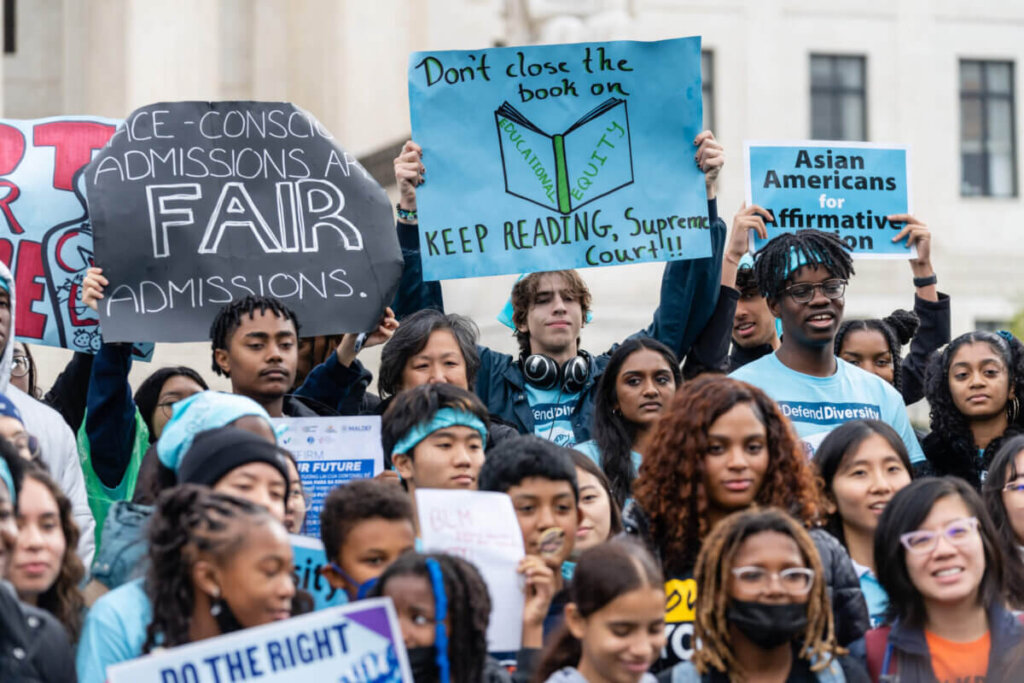
The Court’s decision reverses decades of precedent. In 1978, the Court ruled that affirmative action was lawful, which it later upheld in 2003 and 2016.
Nearly 365,000 people in Virginia—many of whom live in rural areas—lack access to high-speed broadband internet, according to estimates from the FCC. But new funding aims to help get them connected.
The Court rejected the “independent state legislature theory”—an extreme reading of the Constitution that would have eroded America’s system of checks and balances and turned election laws upside down.

A new analysis published this week found that unless Congress provides additional funding, an estimated 88,265 children in Virginia are expected to lose their child care beginning Sept. 30.

Trump has been charged with 31 counts of violating the Espionage Act due to his “willful retention” of classified records.

Merck—which made $59.3 billion in revenue and $14.5 billion in profits in 2022—argued Tuesday that the Biden administration's effort to lower exorbitant drug prices for seniors would somehow restrict its ability to invest in new cures and treatments.