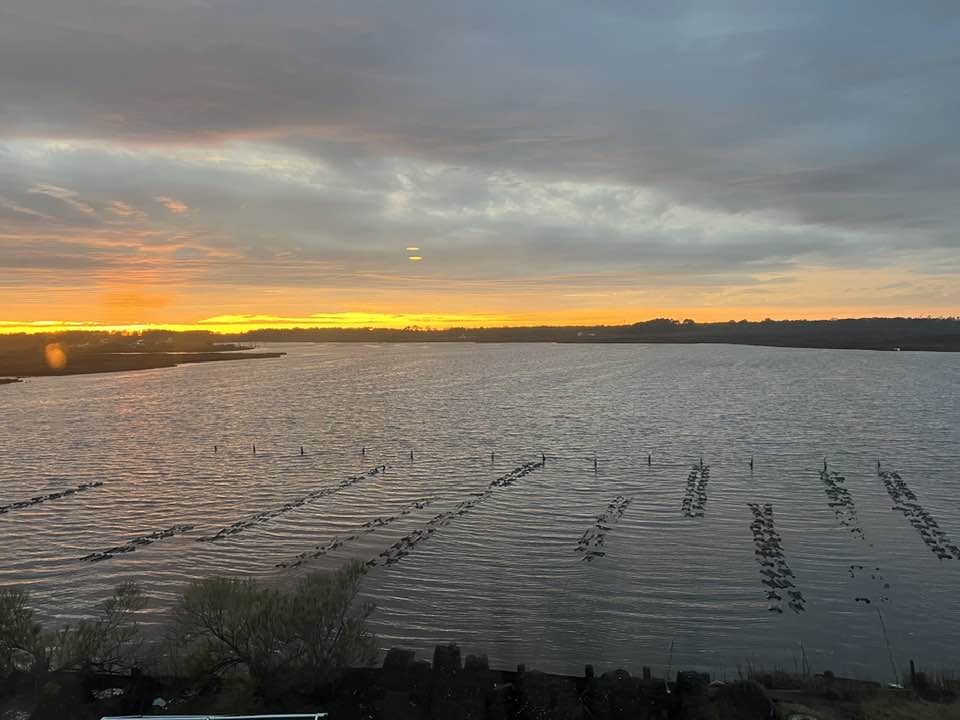
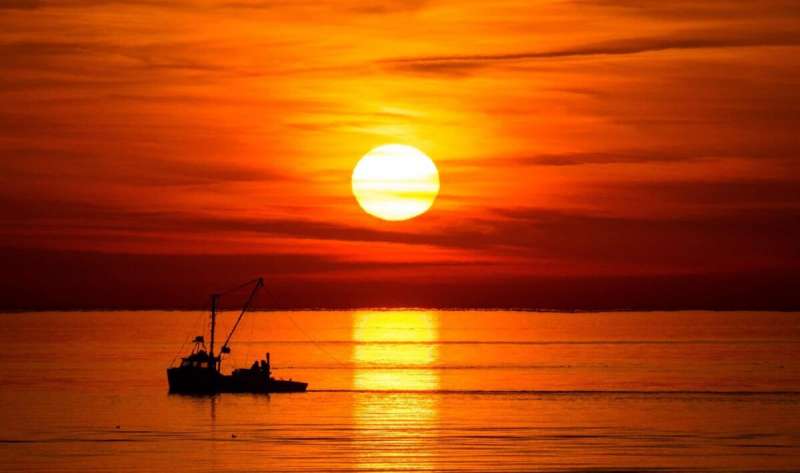
From blue crabs to oysters, Chesapeake Bay watermen have been fishing the waters off the coast of Virginia for generations.
Chesapeake Bay watermen have been eking out a living from the bay’s waters for generations. From hauling in blue crabs to tonging oysters, these watermen have firmly established Virginia’s place as a major seafood producer. However, the storied tradition isn’t what it used to be. Today, the way of the watermen is threatened because of climate change, pollution, and habitat loss.
Here’s how you can learn more about Chesapeake Bay watermen, as well as what you can do to keep the tradition alive.
Popular catches
When most people think of Chesapeake Bay seafood, blue crabs and oysters likely come to mind. However, Virginia Seafood notes that 87 varieties of commercially valuable seafood come from the Chesapeake Bay, including scallops, clams, flounder, mackerel, and butterfish. This means that it should come as no surprise that the commonwealth is the third-largest producer of seafood in the U.S.
Blue crabs
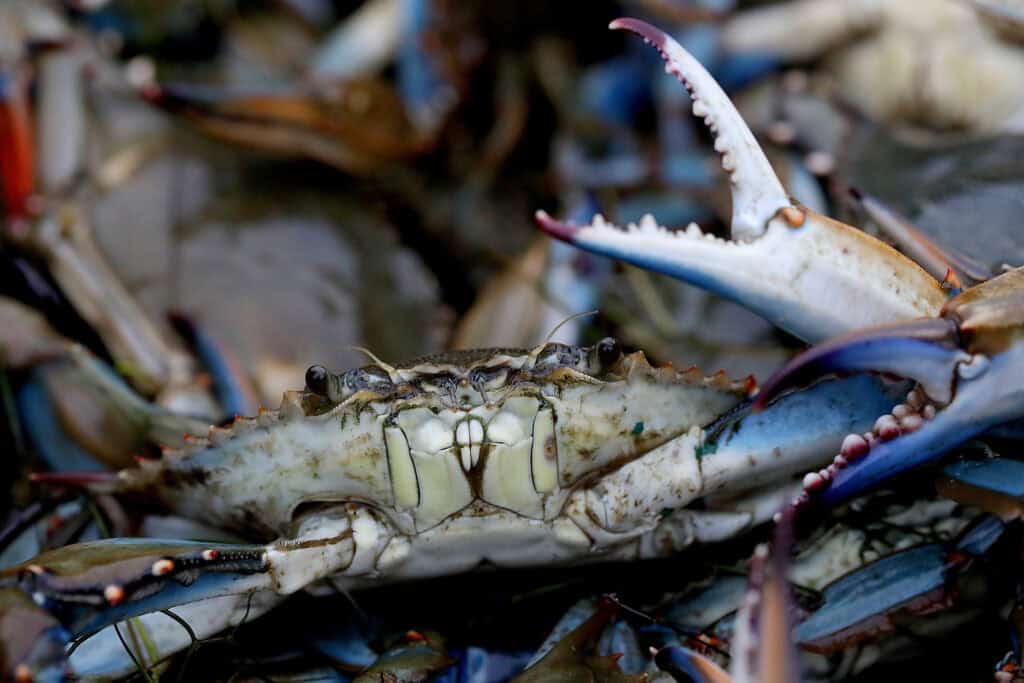
Commonly referred to as “beautiful swimmers” because of their bright blue legs, the blue crab is arguably one of the bay’s most iconic creatures. The underwater grass beds of the bay are ideal habits for the crabs, which take 12-18 months to reach adulthood.
Factors such as weather, reproduction, and fishing affect blue crab numbers. In 2025, the blue crab population in the bay dropped. However, pollution reduction and habitat restoration efforts to protect the crabs are underway.
Oysters
Oysters have long been harvested from the Chesapeake Bay, as Native Americans relied on them as a major source of food. By the 1800s, oyster exports from the bay to other parts of the country and Europe took off. Overharvesting eventually resulted in an all-time low in numbers, which have since rebounded due to conservation efforts.
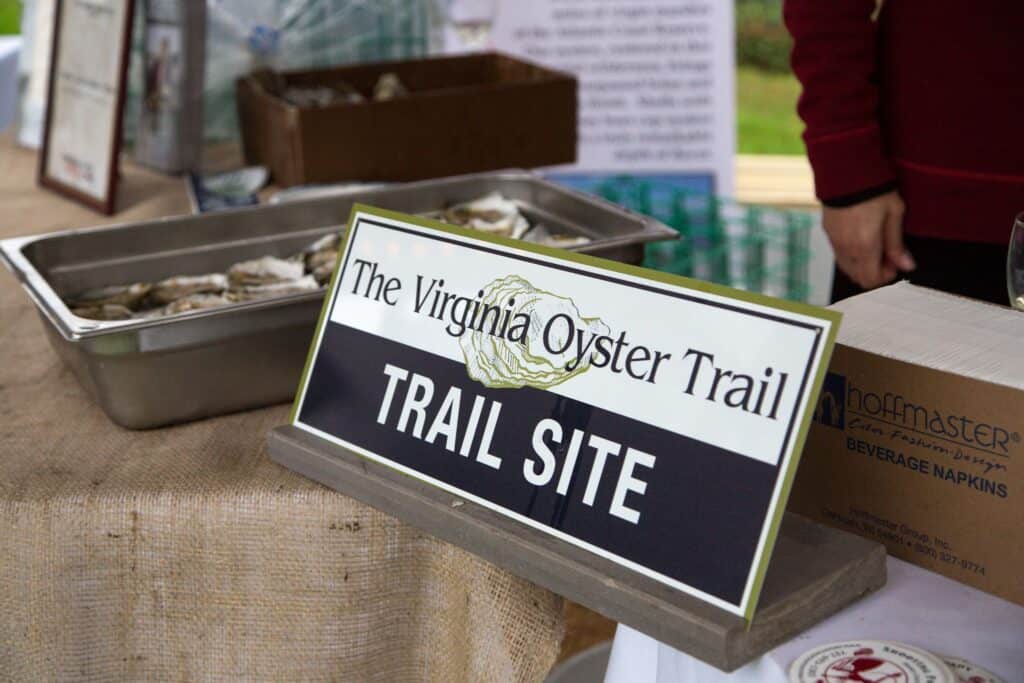
In 2018, 32.1 million Virginia oysters were harvested for consumption. Today, the Virginia Oyster Trail boosts the work of local watermen by championing the Virginia oyster industry. Donations to fund the trail’s awareness work can be made here.
Explore history
Several museums have been established to preserve the legacy of Chesapeake Bay watermen.
The Watermen’s Museum
Location: 309 Water St., Yorktown, VA 23690
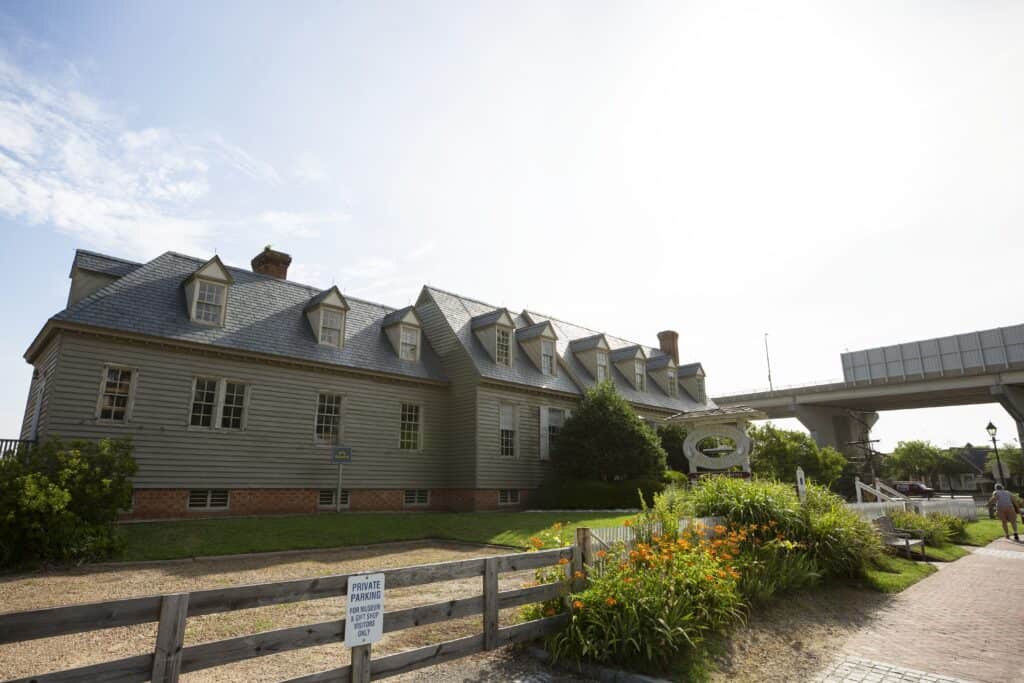
The Watermen’s Museum offers a comprehensive overview of those who made their living on the waters of the Chesapeake Bay, including the Algonquin-speaking people, colonists, sailors, and fishermen. Artifacts available for viewing range from tools used to build wooden canoes to life-size replicas.
Don’t miss the commercial watermen exhibit, which explains how generations of men and women crabbed, oystered, clammed, and fished the bay.
Morattico Waterfront Museum
Location: 6584 Morattico Rd., Morattico, VA 22523
Located in the small fishing village of Morattico between the Potomac and Rappahannock rivers, which flow into the bay, the Morattico Waterfront Museum preserves the history of the Morattico Wharf, which served as a hub for fishing, crabbing, and oystering from 1889 to 1933.
Look for the crab and oyster exhibit, as well as the farming and fishing exhibit.
Deltaville Maritime Museum
Location: 287 Jackson Creek Rd., Deltaville, VA 23043
Visit the Deltaville Maritime Museum to learn about the Chesapeake Bay’s maritime legacy, including wooden boatbuilding in the Middle Peninsula. Admission is $5.
Check out the pound-net fishing exhibit, which explains how the method was first introduced in the bay in 1858 because of its ability to make it easier to catch finfish like shad and herring. The outdoor Oyster Gardening exhibit is also worth checking out. The functional oyster garden walks visitors through the gardening process.
African American watermen
African Americans have long worked the waters of the Chesapeake Bay, working as captains, oyster tongers, and crab pickers.
The National Trust for Historic Preservation, a private nonprofit that works to save historic sites, has identified sites of significance related to African American watermen through its Chesapeake Mapping Initiative. Out of the 97 sites that have been identified, here are three worth learning more about.
Cook’s Oyster & Seafood Company
Location: Gloucester Point
Cook’s Oyster & Seafood Company was operated from 1939 to 2010 by African American waterman and business leader Eldridge Cook. At 17, he entered the seafood business by delivering oysters from Gloucester Point to the Northern Neck.
From there, he purchased the property that housed the company so that he could expand his transportation offerings and eventually moved into processing. At one point, his business had 250 employees. Cook passed away in 2014.
Captain Harry Wilson Property
Location: Sandy Point
The Captain Harry Wilson property features the remains of a dock that was once coupled with an oyster shucking house. The property has been in the Wilson family since 1877, with Capt. Harry Wilson, an African American waterman, being its most well-known owner. At one point, the Wilsons built crab pots on the property.
Burrell’s Marina
Location: Urbanna
Second-generation African American waterman Alexander Burrell, Jr. owned and operated Burrell’s Marina following his return from service during World War II until his death in 1979. The marina, which offered a cement boat ramp and boat and motor repairs, continued to be operated by Burrell’s wife, Elsie Earlene Homes Burrell, for more than a decade after his death.
Chesapeake Bay preservation
For watermen to continue to work the waters of the Chesapeake Bay, several organizations have sprung up to protect it.
Chesapeake Bay Awareness Week
Date: June 6-14
Chesapeake Bay Awareness Week is held annually to celebrate what makes the country’s largest estuary special, including its unique culture and history. Launched in 2016 because of work done by the Chesapeake Bay Commission, the week features a variety of events.
To prepare for the week, consider volunteering for Clean the Bay Day on Saturday, May 2. During last year’s event, 3,500 volunteers removed over 70,000 pounds of litter and debris from shorelines, streams, and surrounding areas.
Chesapeake Bay Program
Location: 1750 Forest Dr., Suite 130, Annapolis, MD, 21401
The Chesapeake Bay Program is a regional partnership that was formed in 1983 that works to guide the restoration efforts of the bay. For example, it works to mitigate agricultural runoffs, air pollution, and climate change impacts affecting the bay. Its work grew out of Congressional legislation from the late 1970s that designated the bay as the country’s first estuary that was targeted for restoration and protection.
The program encourages those who live near the bay to take action by doing something as small as using natural herbicides recycling.
Chesapeake Bay Foundation
Location: 3663 Marlin Bay Dr., Virginia Beach, VA 23455
Since 1966, the Chesapeake Bay Foundation has worked to protect the bay through advocacy, education, and restoration efforts.
The foundation’s efforts in Virginia Beach have taken the form of the Brock Environmental Center, one of the world’s greenest buildings. It houses a mobile oyster restoration center and is where several environmental education programs are offered.
One-time or monthly donations to fund the work of the foundation can be made here. For example, a $35 donation can plant seven native trees as streamside buffers, whereas $50 can grow 5,000 native oysters.
Alliance for the Chesapeake Bay
Location: 612 Hull St., Suite 101C, Richmond, VA 23224
The goal of the Alliance for the Chesapeake Bay is to ensure the Chesapeake Bay watershed is clean. It was formed in 1971 by a group of citizens who were concerned about the state of the bay.
To date, it has planted over a million trees along local streams and rivers. One-time or reoccurring donations can be made to the alliance here. A purchase from the alliance store, which sells merchandise like shifts and coffee mugs, also helps fund preservation efforts.
Eat local seafood
Restaurants near the bay often source their seafood from local watermen.
Wickers Crab Pot
Location: 4201 Indian River Rd., Chesapeake, VA 23325
Wickers Crab Pot knows authentic seafood given that owner Ray Wicker, Jr. is a fourth-generation waterman who has worked the bay for more than 30 years.
The restaurant serves steamed large and medium male blue crabs and steamed medium female crabs. If you’re looking to sample the best of the bay, go for the Captain Wicker’s Seafood Platter, which comes with shrimp, scallops, oysters, flounder, and lump crab meat for $36. It can be ordered fried or broiled.
Berrets Seafood Restaurant and Taphouse Grill
Location: 199 South Boundary St., Williamsburg, VA 23185
Barrets Seafood Restaurant and Taphouse Grill uses its proximity to the York and James Rivers and Chesapeake Bay to its advantage by seeking out fresh seafood, like softshell crabs, oysters, striped bass, and flounder.
Give the Victory Point York River VA Oysters on the Half Shell a try. A half dozen costs $12.
Buy local oysters
H.M. Terry Co., Inc.
Location: 5039 Willis Wharf Rd., Willis Wharf, VA 23486
Family owned and operated H.M. Terry Co., Inc. has been harvesting clams and oysters from the Chesapeake Bay since 1903 when Henry Miller Terry set up an oyster company. The company continued to grow until the late 1980s when oyster viruses decimated the commonwealth’s oyster industry. Undeterred, the company worked with the Virginia Institute for Marine Science to adapt production and harvesting methods.
The fourth generation of the Terry family currently produces 40 million Sewansecott ocean salt clams and oysters on a yearly basis. A 50-count pack of oysters can be purchased for $75.
Shooting Point Oyster Co.
Location: 5456 Bayford Rd., Franktown, VA 23354
Shooting Point Oyster Co. is a family farm that harvests oysters from three watersheds along the Eastern Shore. The company is an advocate of preservation efforts in the bay, including water quality improvements and the return of native oysters.
Information about purchasing wholesale oysters can be found here.
Big Island Aquaculture
Location: 2149 Big Island View Rd., Hayes, VA 23072
Big Island Aquaculture operates on 40 acres and 3,600 feet of shoreline along Munday’s Creek, the York River, and Mobjack Bay. Oysters are grown on the surface using floating cages so that sand doesn’t impact the flavor. The operation is owned by Bruce and Cathy Vogt.
Oyster offerings include Pearl Oysters, Chesapeake Bay, Great Shellfish Oysters, Powhatan’s Power Oysters, and First Kiss Oysters. Pricing can be found here.