As health professionals learn more about COVID-19, recommendations for pregnant women change.
RICHMOND – Can anyone take the COVID-19 vaccine? Or should some people avoid it?
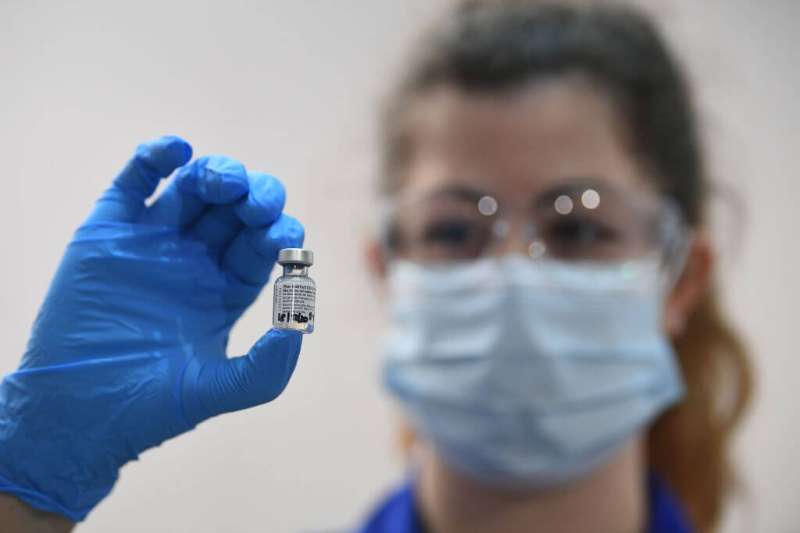
Over the past two months, recommendations fluctuated. In January, the World Health Organization advised against pregnant women getting the vaccine. In the same week, they redacted the statement and switched their opinion toward a positive vaccine leaning. Meanwhile, the Centers for Disease Control and Prevention remained steadfast in their positive vaccine recommendation for pregnant women.
“There was a lot of outcry about, you know, two different, confusing recommendations,” said Dr. Melissa Viray, deputy director for the Richmond City and Henrico County Health Districts. “And certainly, if I were an expectant mom, I could see why that would be very confusing.”
Viray discussed with Dogwood why some health organizations might suggest one thing and others might advise another – and why those opinions might change.
Limited Vaccine Data
Before publishing their best recommendations, health organizations consider a risk-benefit balance. Basically, they weigh the pros and cons and decide which outweighs the other – and by how much.
“In [the] CDC and WHO’s cases, they said, ‘You know, look, both Pfizer and Moderna, there were not de facto studies in pregnant women done,’” Viray said. “They weren’t, per se, enrolled in these clinical trials.”
Viray noted that it’s common to not include pregnant women in an early phase of a vaccination trial. The COVID-19 vaccine was no different. However, some pregnant women did receive the vaccine, though unplanned.
“There were some initial data from, you know, say, a little bit, a tiny bit of data from some women who had inadvertently gotten pregnant that they were following,” Viray said.
RELATED: Virginia’s Vaccine Registration Website Launches
A COVID Concern
Because of the way scientists made the vaccine and the way it interacted with the human body, Viray noted there were not de facto concerns about the potential for pregnancy.
However, getting COVID-19 while pregnant is a different story.
“…We also know that pregnant women are, from what we’ve seen, at increased risk for severe COVID-19 infection,” Viray said. “So [the CDC’s] recommendation was, if you’re in a group that’s categorized for vaccination, meaning Phase 1A in this case, or at high-risk for exposure or for other reasons indicated for vaccination, you should go ahead and talk to your provider and consider getting vaccinated.”
On the other hand, the WHO approached the subject differently.
“WHO took a slightly different nuanced turn and they felt, ‘Well, we don’t know enough and maybe you should talk to your provider if you’re thinking, if you’re in one of these risk categories, talk to your provider about whether or not you should get vaccinated,’” Viray said. “But it was read a little bit more strictly than that.”
Making Informed Decisions
“It’s actually just two sides of a difficult debate, in terms of when you don’t have information, when you don’t have data, how do you make an educated decision?” Viray said.
Sometimes, it’s best to consider what you do know.
“We know that when a woman becomes pregnant, her physiology changes. Her body, you know, there’s a baby there. So it shifts your organs around. Your lung capacity, your lung volume’s a little smaller. Your blood volume’s a little bigger. Things are just a little bit different here and there,” Viray said. “We don’t know exactly how that interacts with COVID, but what we do know [is] that what we’ve seen when you look at women who are the same age, pregnant women versus non-pregnant women, pregnant women seem to have a disproportionate risk of severe outcomes from COVID. Now we can’t say exactly what leads to that. We don’t have enough information yet. But that’s one of the conditions that we have seen [that] elevates your risk for severe COVID.”
As scientists learn more about COVID-19, opinions – and therefore recommendations – may change. That’s a normal part of the scientific process.
“I would take CDC’s recommendation and understand that they are going to update it as more information becomes available. They’re going to make the best recommendation for right now and they’re going to update it. That just is part of the coronavirus pandemic,” Viray said. “Some elements of it are not novel. There are elements of it that are true whenever you get a new vaccine. But there are elements of it that are very unique to COVID-19 because we are still learning how this virus works and what’s going to happen in a year or so as we get seasonal occurrences.”
Seeking Professional Guidance
.
There are certain factors that a person might take into consideration for whether or not they receive the vaccine.
“There is a higher risk for women who are pregnant for getting severe COVID and for having a severe COVID outcome,” Viray said. “And so there is [an] element where they should, if you’re in a category where you’re a healthcare worker or you have another condition that already puts you at-risk, you should really probably think about vaccination.”
Viray advised speaking with one’s doctor, midwife or local health district about the latest data and information available.
“Ultimately, it’s about interpreting it for each individual person,” Viray said.
Amie Knowles reports for Dogwood. You can reach her at amie@couriernewsroom.com