Hey there,
One of the more unexpected trends of the Trump era has been the convergence of hippies who have long been interested in natural foods and the MAHA moms fighting to get food dyes out of their kids’ school lunches.
MAHA stands for Make America Healthy Again. It’s a movement that’s grown on social media and now directs, however misguidedly, White House health policy. President Donald Trump established in February the MAHA Commission to investigate childhood chronic disease.
A noble goal by all accounts, but only if guided by actual science. Reader, that does not appear to be the case. My wife, Katie O’Connor, a senior staff writer for Psychiatric News, reports that mental health professionals are frustrated with how a recent report from the MAHA Commission overlooks serious problems even as it shapes federal policy.
You can read her story here. <3
Below, I’ve got the details on how a tax policy organization says a Virginia congressman will financially benefit from a bill he supported and a preview of tonight’s attorney general debate.
Plus, a look at how Colonial Williamsburg is telling the story of Black America in the era of “patriotic education.”
|
|
|
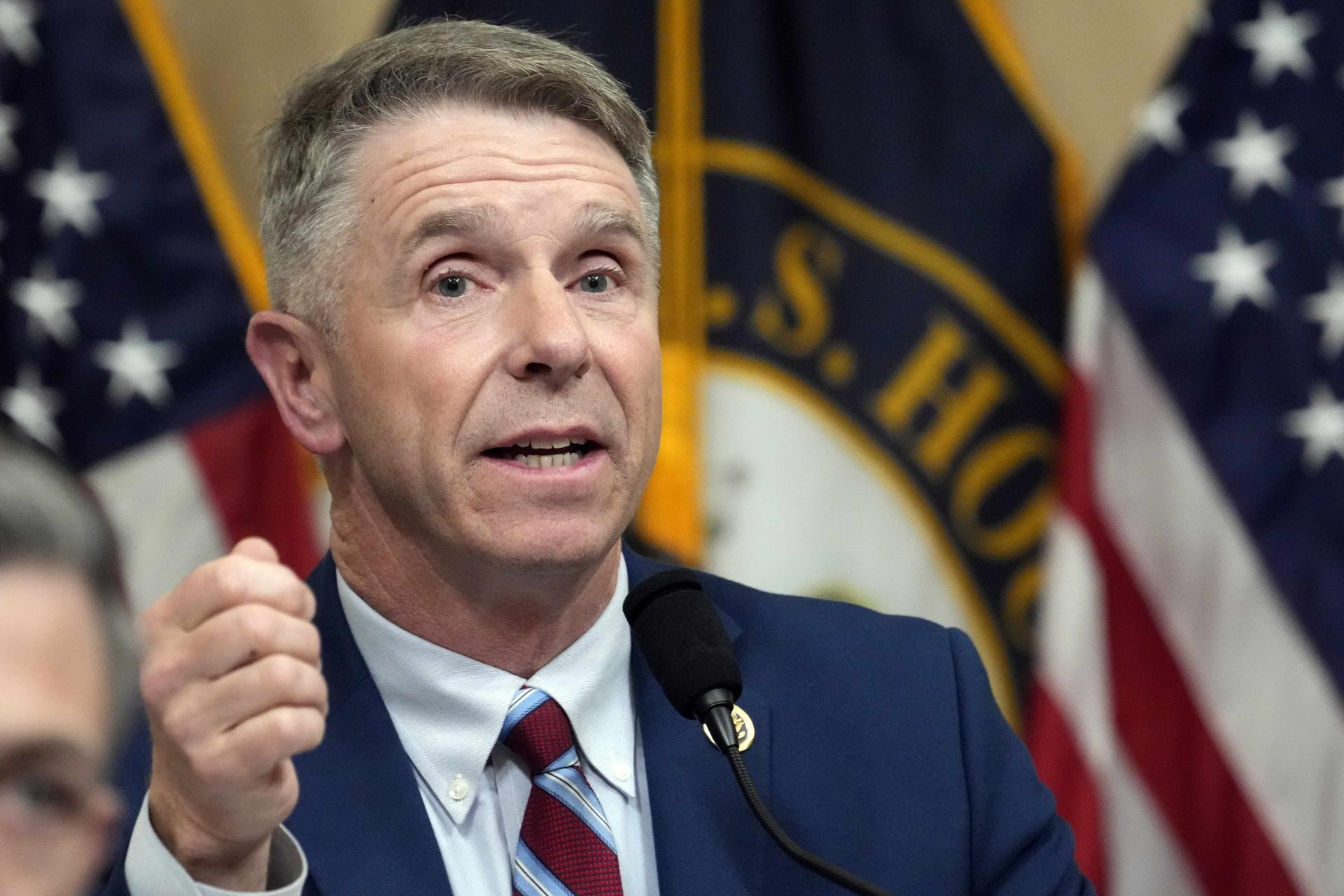
Rep. Rob Wittman, R-Va., questions witnesses during a congressional hearing, on Capitol Hill, Tuesday, Feb. 28, 2023, in Washington. (AP Photo/Alex Brandon, File)
|
For some time now, outlets like Dogwood have been reporting on the imbalanced way Trump’s “Big Beautiful Bill” will benefit people across the country.
For the poorest, things (still) look grim — if not worse.
For the richest, enactment of the bill was a windfall. A new analysis shows just how much of a windfall the bill will be for 10 members of Congress, including one Virginian who Democrats hope to oust in the 2026 midterm elections.
Republican US Rep. Rob Wittman of Virginia’s 1st congressional district could save between $19,900 and $59,300 in tax breaks because of Trump’s “ Big Beautiful Bill,” according to an analysis by the nonprofit Institute on Taxation and Economic Policy (ITEP) done for Accountable.US.
Wittman, perhaps predictably, pushed back on ITEP’s analysis and, in his emailed words to me, rejected “this report’s misleading claims.” Wittman, who voted to pass the bill, did not back up his own claims with any specifics and defended Trump’s bill as good for Virginia.
But if Wittman thinks ITEP got it wrong, then he should show us his math.
“We’d welcome a more detailed look at the Congressman’s finances in order to help Virginians get a clearer picture of how big a tax cut he’ll get next year,” the federal policy director at ITEP told me in an email.
|
|
|
-
Virginia ranked sixth on a list of states (and Washington, DC) that would be most affected by the government shutdown. DC and Hawaii ranked first and second respectively.
-
Bob Stuart has a good long read in Cardinal News about how rural health care clinic closures are playing out in Virginia..
-
The Washington Post takes a look at which workers and small business owners—including some Virginians—have the most at stake in Democrats’ fight to protect Americans’ health care.
|
|
|
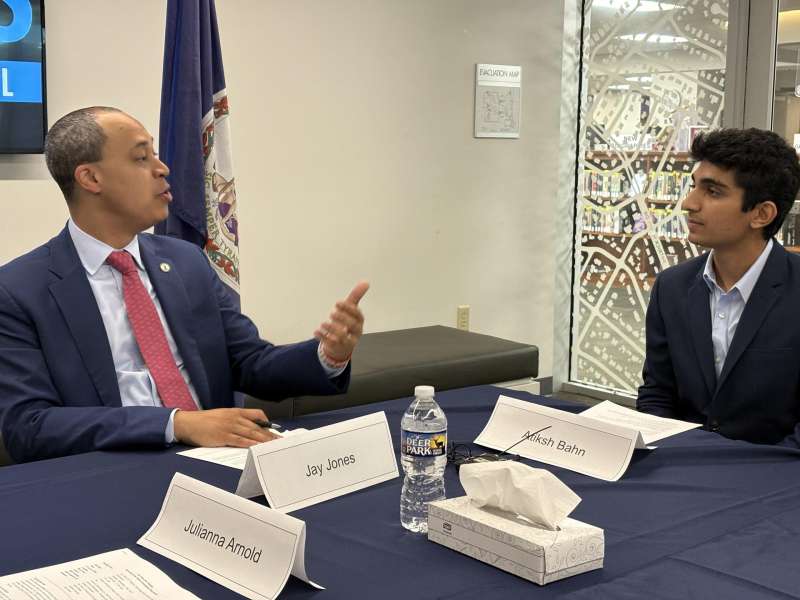
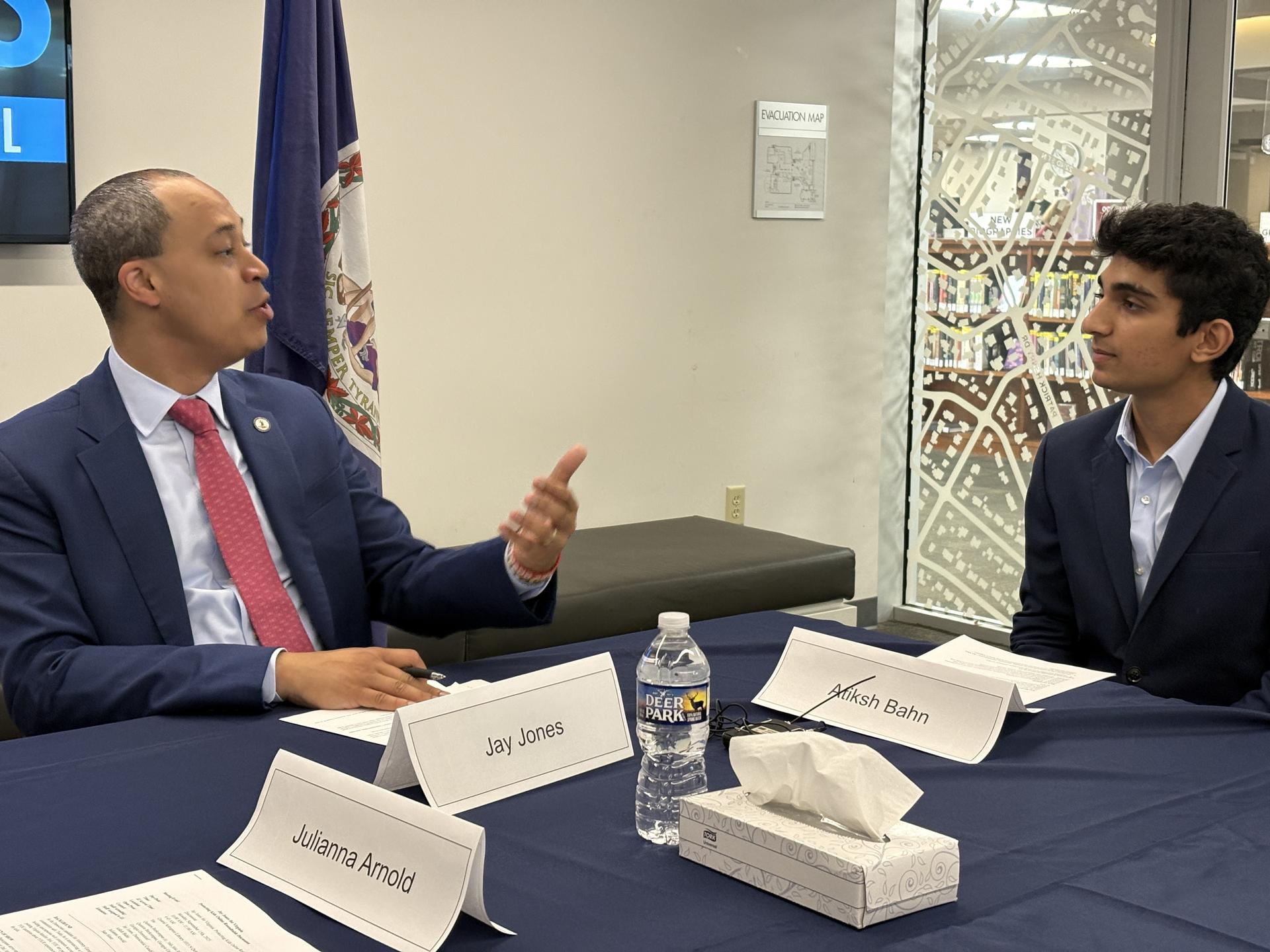
Jay Jones at a roundtable in September. (Michael O’Connor/Dogwood)
|
If you’ve never watched an attorney general debate (and really, unless it was part of your job, why would you?), but wanted to, then tonight might be the one to watch.
That’s because while most polls show Democrats are favored to win the governor’s and lieutenant governor’s races this fall, things are more competitive between incumbent Republican Jason Miyares and Democratic challenger Jay Jones, who did himself no favors with a texting scandal that’s made the race even more competitive.
I’ll be tuning in, and yes, I’ll be watching to see how he handles the inevitable questions about those text messages. (Check out what US Rep. Don Beyer said to me about them and his support for Jones.)
But I’ll also be curious to hear how the candidates plan to defend the rights of Virginians in the workplace and push back against Trump administration overreach.
Follow Dogwood on TikTok, Instagram, and Facebook to catch my reaction later tonight.
|
|
|
Colonial Williamsburg coachman Collin Ashe directs his horses as he drives his coach Thursday Feb. 24, 2022, in Williamsburg, Va. (AP Photo/Steve Helber)
|
A few years ago, a teacher took her class to visit Colonial Williamsburg.
When one of Colonial Williamsburg’s historical interpreters told the class about the experiences of Black people in the colonial era and up to the present day, the teacher became upset and yelled that she disagreed. So reports Clint Smith in a new article in The Atlantic called, “What is Colonial Williamsburg For?”
Smith’s piece is a compelling, serious look at the challenge Colonial Williamsburg faces in trying to tell the story of Black America—and the importance of doing so in such a landmark destination.
The power of such storytelling is exemplified by that upset teacher, who years after that incident, wrote Colonial Williamsburg to apologize and admit that she had been wrong.
“We don’t always get to see what we plant,” the interpreter told Smith. “But that doesn’t mean that something doesn’t bloom.”
|
|
|
Would you recommend this newsletter to your friends and family?
|
|
|
Do you or your company want to support Dogwood’s mission and showcase your products or services to an engaged audience of more than 35,000 subscribers at the same time?
Contact advertise@couriernewsroom.com for more information.
|
|
|
This email is written by Michael O’Connor, a reporter at Dogwood.
Have a question or comment? Reply back to this email!
|
|
|
You are receiving this email because you opted in via our website.
Our mailing address is:
Courier Newsroom
611 Pennsylvania Ave SE
Washington, DC 20003-4303
|
|
|
|