(Photo by Nathan Howard/Getty Images)
Virginians are paying higher electric bills and underwriting massive grid upgrades—not for schools or public services, but to power the explosive growth of privately-owned data centers.
Marketed as economic engines, these facilities create few permanent jobs while enjoying sweeping tax breaks, leaving residents to shoulder the long-term costs of skyrocketing energy demand. Their enormous water usage strains rivers, aquifers, and municipal systems, reducing supplies for farmers, communities, and drinking water. At the same time, Virginia is losing tax revenue while facing environmental stress and growing risks to health, home values, and local food systems.
Virginia is now an epicenter of the US data center industry, built on decades of public investment and sustained by generous tax incentives, lax zoning, and fast-tracked land-use approvals. Big tech and developers have leveraged these advantages through aggressive lobbying and advertising to secure preferential treatment, protect tax breaks, and avoid meaningful oversight.
State and local officials must be pressed to rein in unchecked data center and power grid expansion, end fast-track approvals, mandate transparency, limit water use, and ensure grid expansion and data center development does not harm communities.
The Numbers Don’t Add Up
A review by the Joint Legislative Audit and Review Commission (JLARC) found that data-center sales and use tax exemptions totaled roughly $2.7 billion from FY2015 to FY2024, with exemptions nearing $1 billion in FY24 alone. These benefits are captured primarily by global technology firms, while other Virginia businesses and residents pay their full share.
As structured, data center tax incentives deliver few lasting jobs or community benefits while shifting long-term environmental, and power-grid costs onto Virginians. In practice, these subsidies prioritize corporate cost minimization over Virginia’s long-term economic health and public interest. Residents increasingly see that standard economic development calculations ignore the real community and environmental costs.
Rising Rates and Strained Resources
Data centers require enormous amounts of electricity to power servers, cooling systems, and backup infrastructure, and Virginia data centers now account for the highest total electricity consumption of any state in a recent multi-institution study. Their rapid growth is driving the construction of new power plants, substations, and transmission lines—costs that are passed on to ratepayers even when the infrastructure primarily serves privately-owned data center campuses.
Even as the State Corporation Commission (SCC) approved a new large-load rate class starting in 2027, it authorized more than $775 million in Dominion Energy base-rate increases for 2026–27, shifting much of the burden onto households and small businesses.
Data centers are placing growing stress on Virginia’s water resources. In 2023, Northern Virginia facilities used roughly 2 billion gallons, an increase of 63% since 2019, with Loudoun County alone consuming about 900 million gallons. This demand increasingly draws on potable water and water sources, increasing wastewater pollution, directly competing with residential, agricultural, and ecological needs.
Data Centers Next Door
Data centers are industrial sites and should not be located near homes, schools, parks, and historic sites. JLARC found that nearly one-third of Virginia’s data centers are within 200 feet of homes, including 55% in Fairfax County, and 70% within 500 feet. Despite widespread community concerns about health risks and declining property values, these siting practices continue, and harm is compounded by placement of high-voltage transmission lines, some built solely for individual data centers, near residential areas.
Data centers often rival or exceed traditional industries in noise and carbon pollution. Constant low-frequency noise from cooling systems and generators is paired with substantial CO₂ emissions, with Virginia leading the nation in data-center-related carbon emissions.
What Can Be Done
State and local governments can act by reforming zoning to curb by-right data center development, increasing project transparency, requiring meaningful setbacks for transmission lines and substations, mandating that developers pay for grid upgrades their projects require, enforcing cost-reflective electricity rates, and strengthening environmental and water-use standards.
Tax incentives should be limited, transparent, and tied to measurable public benefits. Before qualifying, data center developers must use renewable electricity, meet energy-efficiency standards, join demand-response programs, and phase in battery storage.
Virginians should tell state and local officials they support these reforms—to protect neighborhoods, ratepayers, water resources, and the environment—ensuring data center growth does not burden residents or harm communities. (https://whosmy.virginiageneralassembly.gov/)

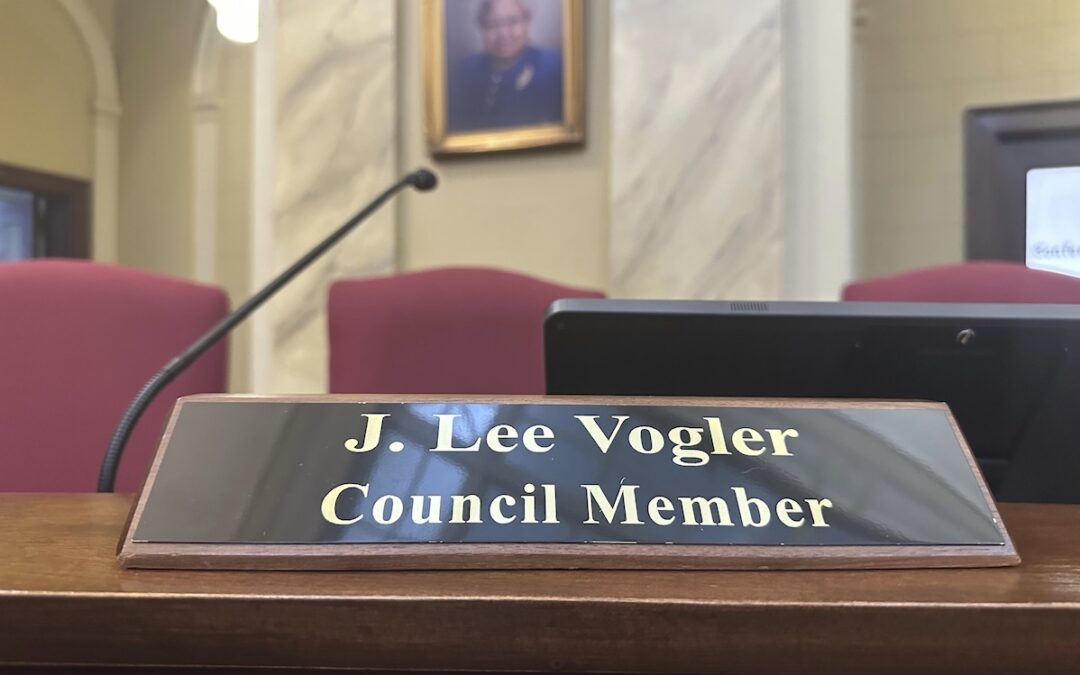
Danville’s ‘Comeback Kid’ returns: Councilman Lee Vogler speaks after being set on fire
Three months after a brutal attack, Councilman Lee Vogler delivered a message of hope—and encouraged the community to take action. Applause erupted...

Cards for Lee: Community rallies around Danville City Councilman’s recovery
A GoFundMe page and a greeting card effort sprung up over the weekend, showing support for Danville City Councilman Lee Vogler. Following a heinous...
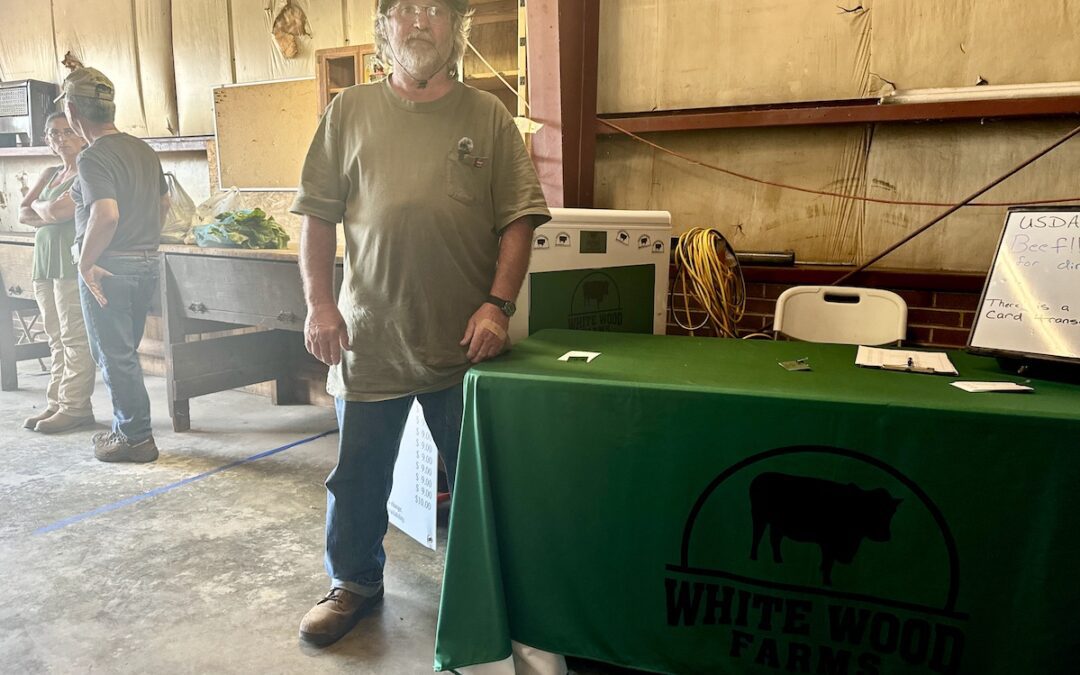
From hobby to herd: Southside rancher grows sustainable beef business
From offering neighborly help to running his own sustainable beef operation, Alvis White Jr. shares how he built White Wood Farm—and offers...
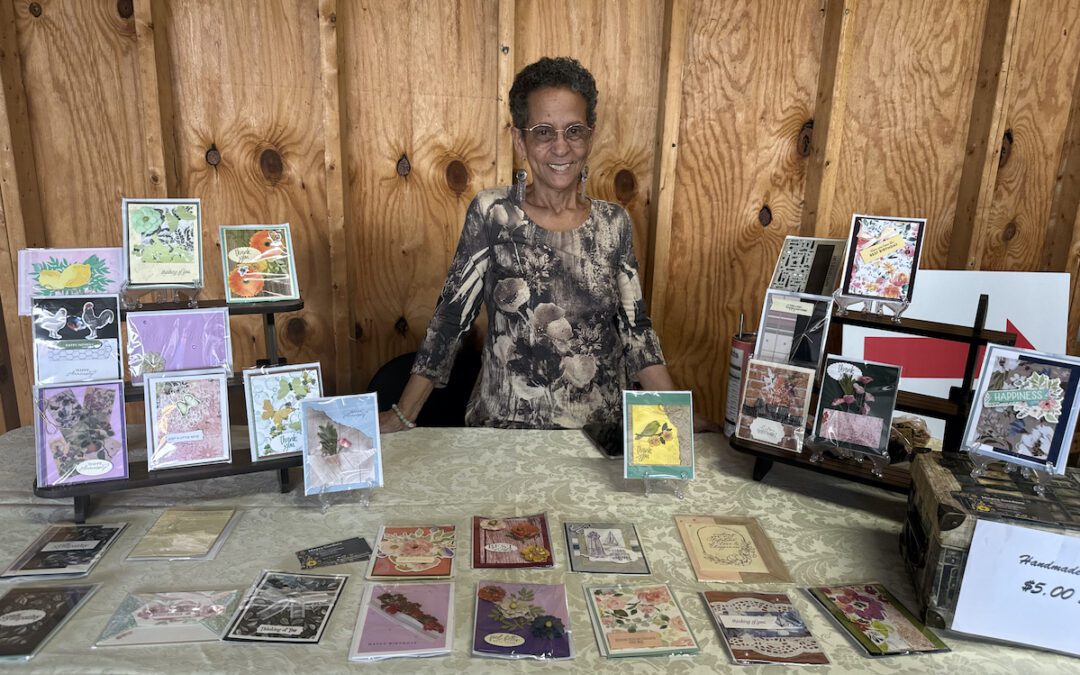
Local spotlight: Mayra Cordero creates custom, affordable cards in Chatham
For just $5, you can snag a beautiful, handmade card—and meet the Chatham artist behind it. It only takes Mayra Cordero a few minutes to get from...

When the storm clears: Danville-based God’s Pit Crew helps those impacted by recent tornadoes
As sirens fall silent and storm clouds move on, a different kind of force rolls in—bringing more than just supplies. “For our crew, it is a mix of...

15 activists from Virginia you should know about
Discover the influential activists from Virginia who have fought for justice and left a lasting impact on the state and nation. From civil rights...