US Rep. Rob Wittman (R-Va.) recently made between $1,000 and $15,000 by selling stock he owned in a cell tower company.
A spokesperson for Wittman tells me he’s not involved in his stock trades and that his investments are independently managed by a financial professional.
Still, the idea of a politician enriching himself while in office is an example of why many Americans view our economy and political system as rigged against them.
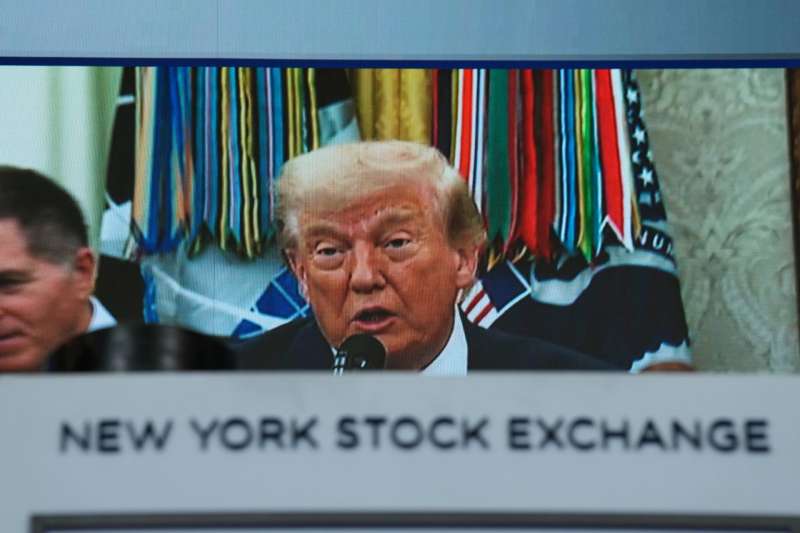
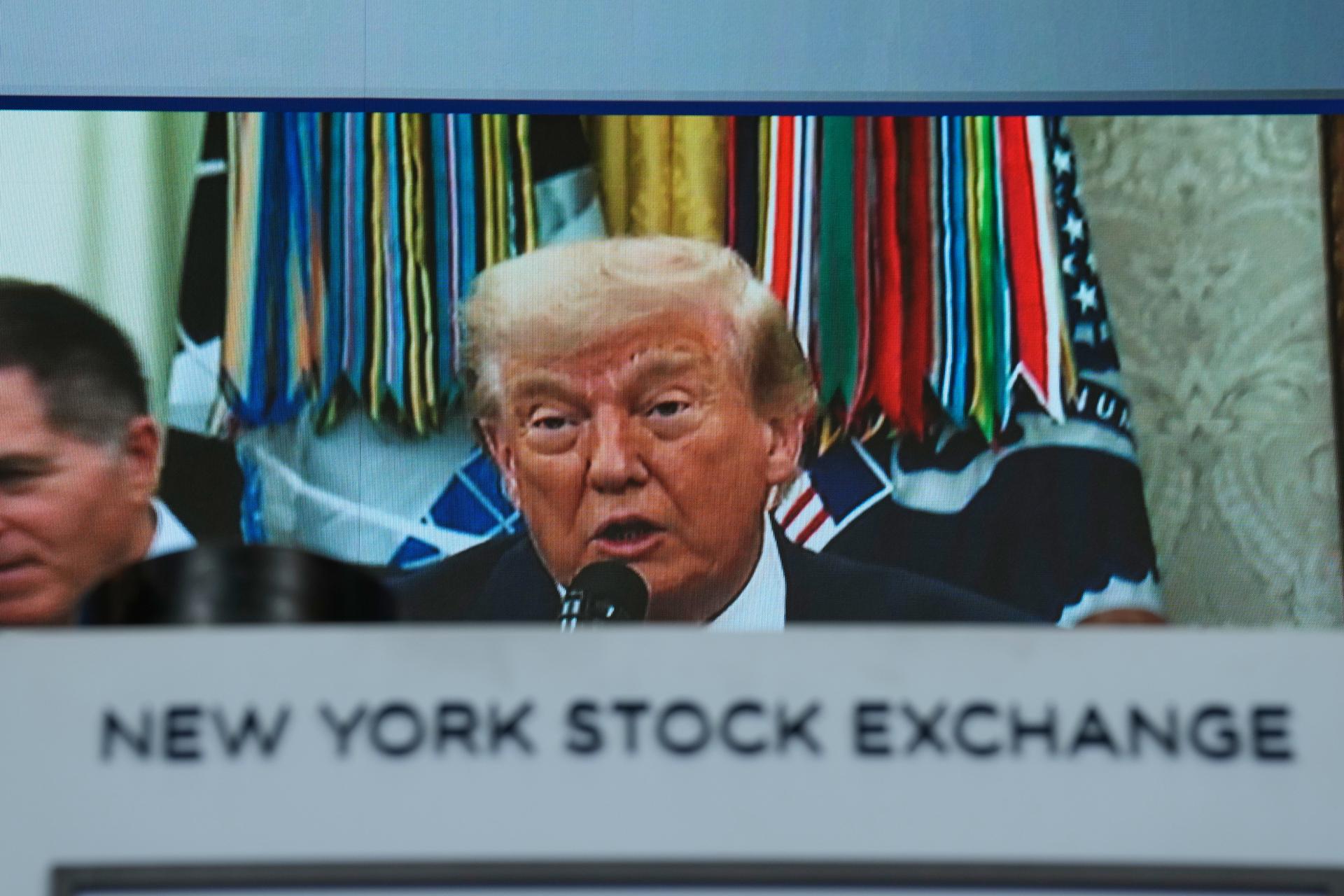
We are, after all, living at a time when the sitting US president is making eye-watering sums of money from the Oval Office in part by investing in companies his administration is regulating or doing business with.
Banning politicians from playing the stock market seems like the bare minimum to rein in the kind of corruption—and the perception of it—on display in the Trump era.
To that end, federal lawmakers are slated to vote on a measure to curb stock trading. But some feel the legislation doesn’t go far enough and gives cover to Republican efforts to restrict voting rights.
I’m talking about the Stop Insider Trading Act that would make it illegal for members of Congress, their spouses, and their dependent children to buy new individual stocks. Wittman supports this bill. Three other Republicans from Virginia’s congressional delegation are co-sponsors.
But the legislation would not require lawmakers to divest of their current holdings. Another bill called the Restore Trust in Congress Act would do just that.
And Republicans have added language to the Stop Insider Trading Act that has nothing to do with stock trading and would require people to show a photo ID when they go to vote.
“Republicans cannot credibly present this legislation as a good-faith effort to end congressional stock trading,” the Congressional Black Caucus said in a statement this afternoon. “Instead, this bill is a Trojan horse—using the premise of congressional ethics reform to advance a broader effort to restrict access to the ballot box.”